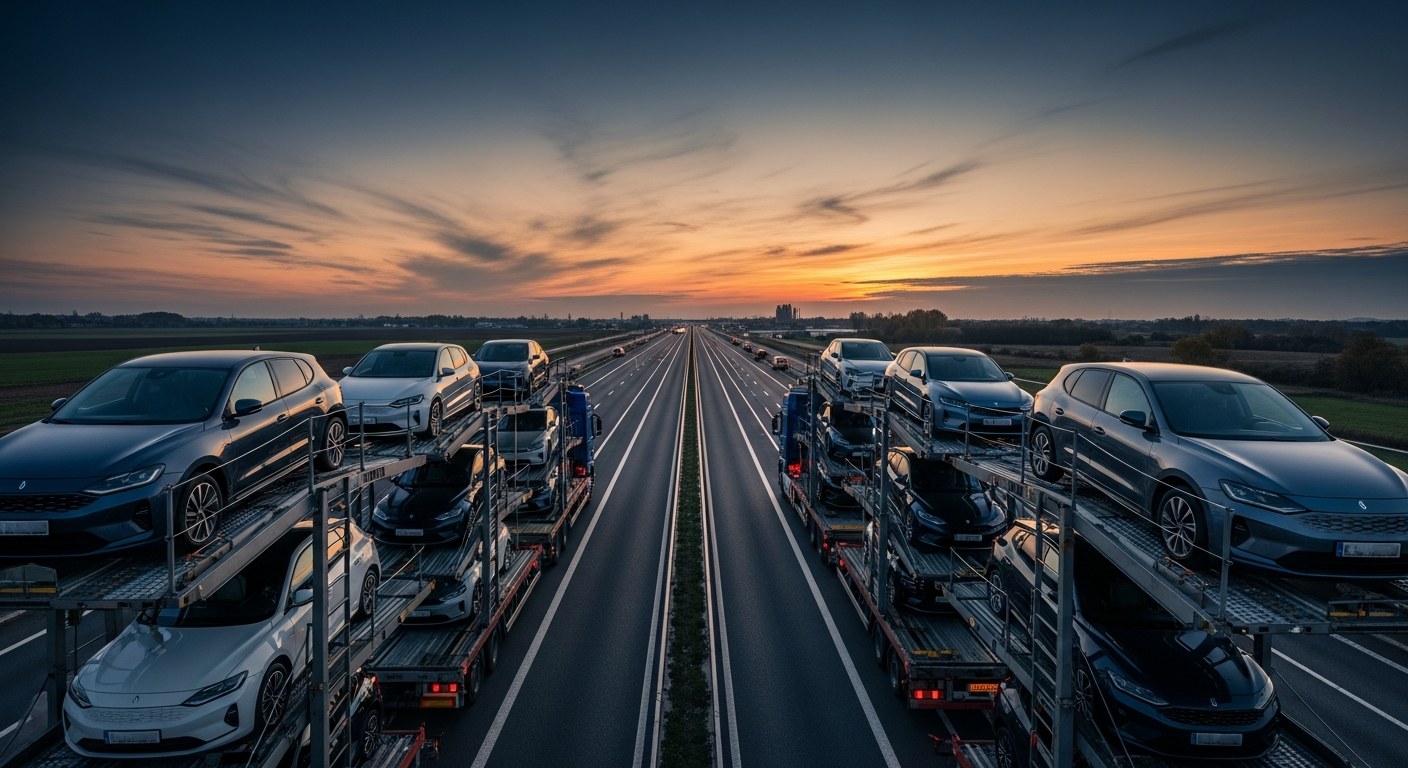
What happened On 12 February 2026, China's commerce ministry formally accepted that Chinese electric vehicle makers could negotiate independently with the European Union over countervailing duties. The trigger was straightforward: Volkswagen had already secured a tariff reprieve for its China-made Cupra Tavascan SUV, and other Chinese automakers — watching that precedent — began eyeing bilateral deals of their own. The European Commission moved to formalise the process, publishing guidance for manufacturers seeking alternatives through price undertaking offers. The rules require minimum import price commitments, simple sales channel structures, and optionally, pledges for EU investment. The EU Chamber of Commerce in China called it a 'soft landing' that sends a positive signal to global markets. That framing is worth interrogating. A soft landing for whom, exactly? What European founders and operators need to understand is this: the tariff framework — which runs from 7.8% on Tesla's Shanghai-produced vehicles to 35.3%…