China Tech Signals
News
What Chinese startups are building, launching, and shipping — curated for European founders, operators, and investors.
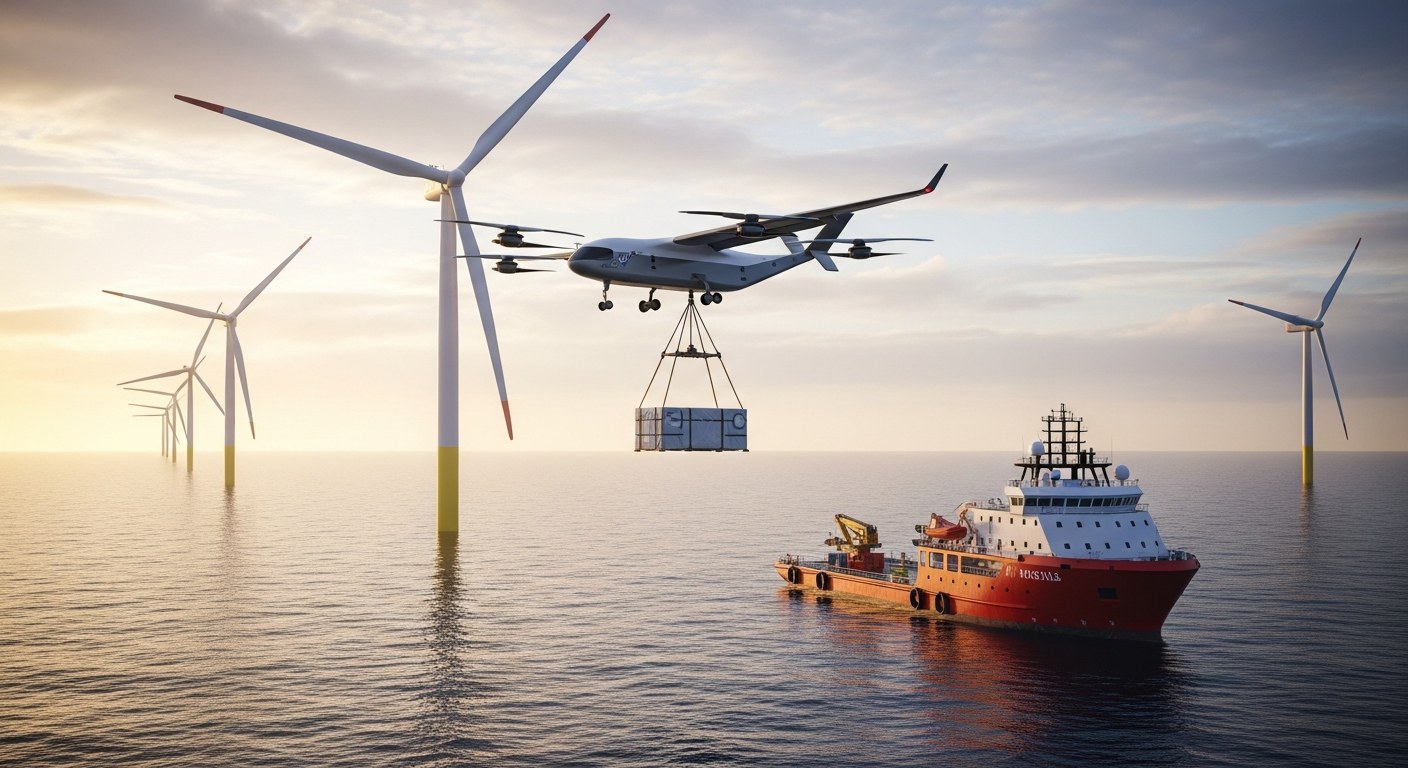
Why European Wind Operators Should Copy China's Industrial eVTOL Cargo Blueprint
While European air taxi startups remain stalled in urban regulatory delays, Chinese operators are securing early cash flow through offshore industrial logistics. Here is why European founders and investors must shift focus to maritime energy infrastructure.
Read story →

Why European AI Startups Must Abandon the Cloud and Go Physical
While European tech ecosystems remain heavily focused on hosting large language models in the cloud, Chinese competitors are rapidly shifting toward edge AI, physical robotics, and consumer hardware integrations. The latest breakthroughs from WAIC 2026 demonstrate that the future of AI lies in hardware-software co-design. European founders and investors must adapt immediately or risk missing the critical transition to on-device intelligence.
Read story →

Why Europe's Neurotech Founders Are Losing the Commercialization Race to China
While Western media focuses on high-profile clinical trials, China has quietly completed the world's first full commercial cycle of an invasive BCI device, including public insurance coverage. This rapid integration of cutting-edge neurotech into clinical practice highlights a widening regulatory and commercialization gap that European startups must address.
Read story →
Why ByteDance's AI World Models Threaten Europe's Autonomous Driving Ambitions
ByteDance is quietly leveraging its advanced generative AI foundation models to enter the autonomous driving sector, bypassing traditional robotics approaches. By utilizing "world models" developed by its elite Seed team, the tech giant is positioning itself to redefine self-driving technology. For European automotive players and investors, this shift highlights a critical need to pivot from legacy hardware-centric systems to generative AI-driven architectures.
Read story →

China Is Crowdsourcing Robot Training—Here Is How European Startups Must Respond
Chinese companies are turning physical data collection for embodied AI into a gamified, crowdsourced gig economy. By transforming everyday spaces into data factories, they are bypassing the traditional bottlenecks of robot training. For European founders, this industrialization of data collection represents both a blueprint for scaling and a stark warning of a widening competitive gap.
Read story →
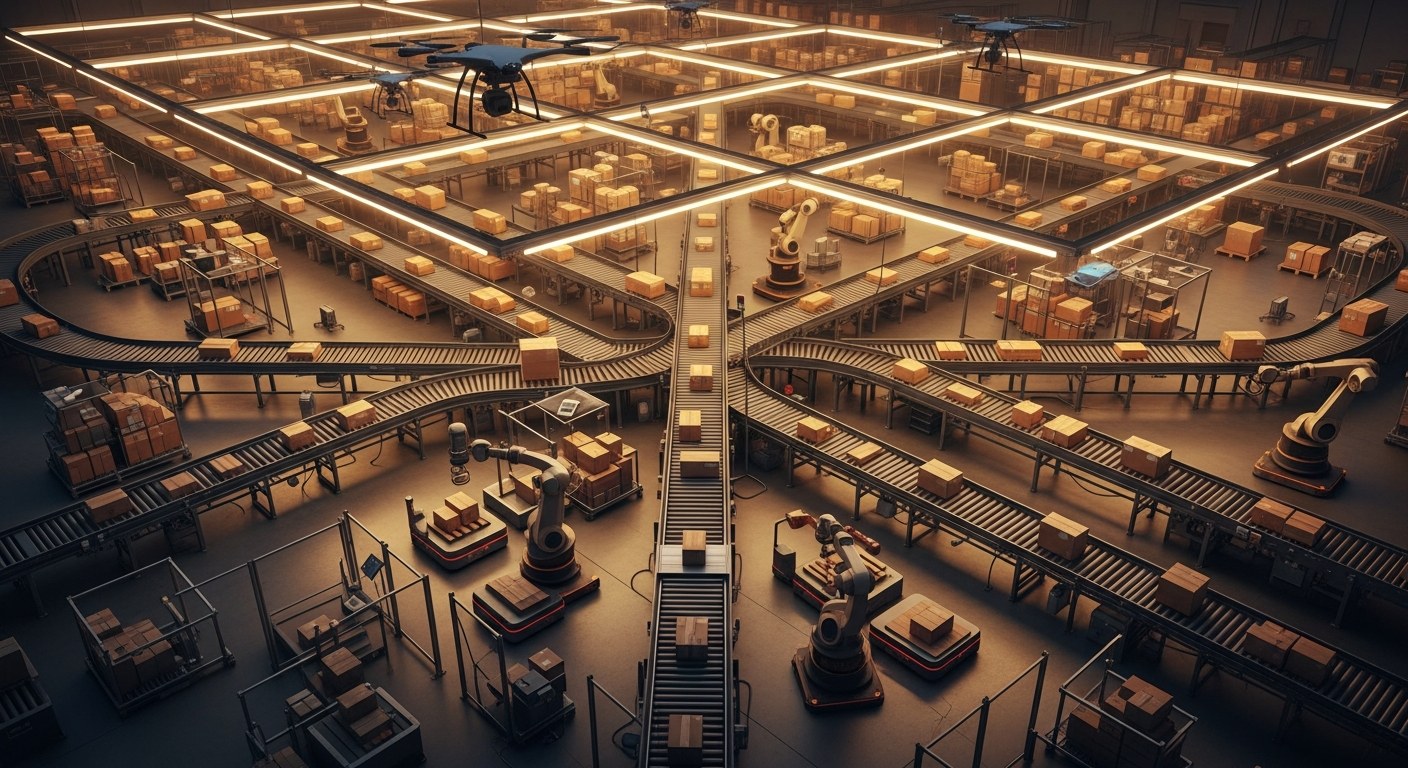
Why European Drone Startups Cannot Ignore DJI's New Cargo Giant
DJI has officially entered the heavy logistics market with its first vertical takeoff and landing (VTOL) cargo drone, the EV50. Boasting extreme-altitude capabilities and a robust payload capacity, this launch represents an immediate threat to European aerial logistics players. European founders and investors must adapt their hardware and operational strategies before DJI scales its regional transport technology across the continent.
Read story →

Momenta's Hong Kong IPO: A Strategic Compass for European Autonomous Driving
The recent public offering by Chinese autonomous driving firm Momenta on the Hong Kong Stock Exchange marks a significant milestone. This move not only signals growing investor confidence in the sector but also offers crucial insights for European founders and investors navigating their own autonomous driving ambitions.
Read story →
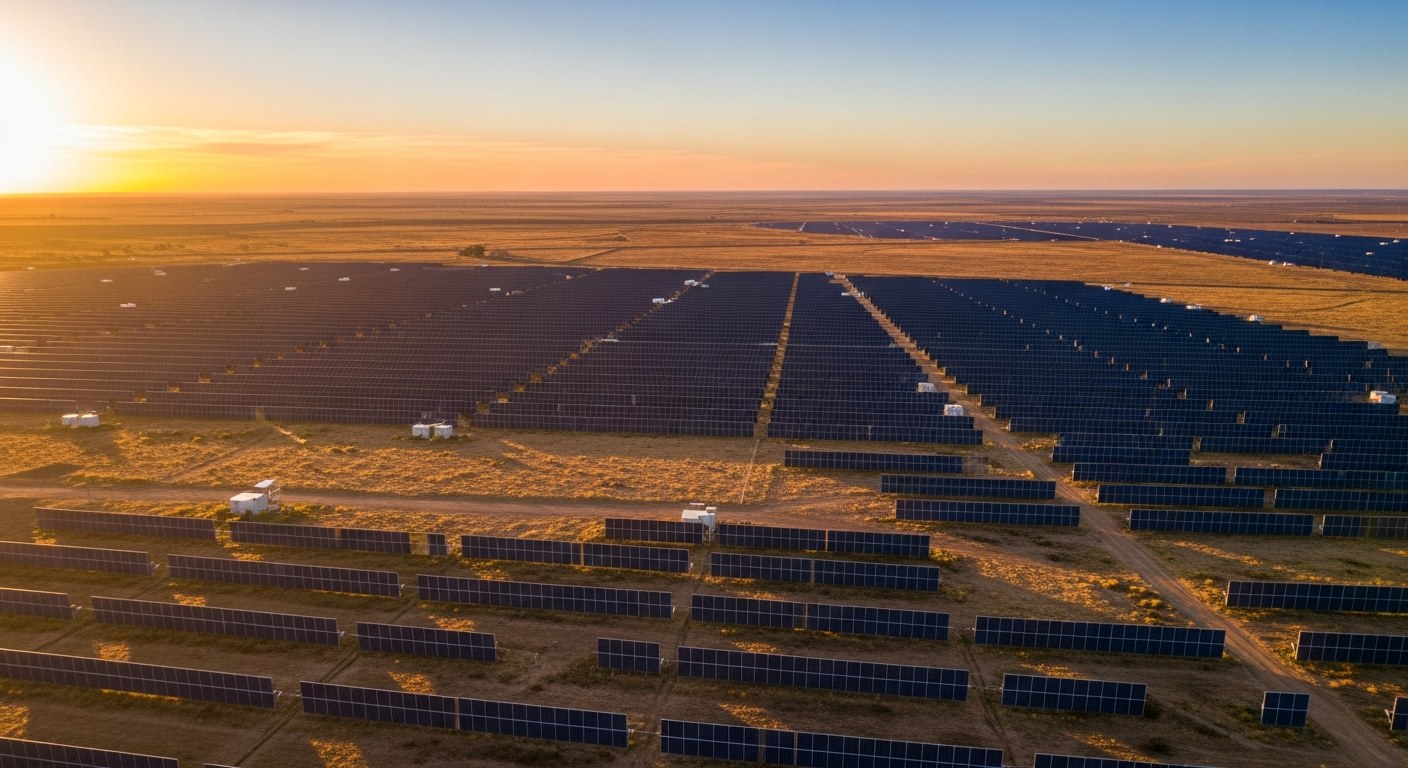
Beyond Silicon: China's Material Edge Reshapes Europe's Tech and Energy Landscape
China's recent advancements in foundational technologies, from fusion energy components to advanced chip packaging materials and reusable rockets, signal a profound shift in global technological leadership. European founders and investors must critically assess these developments to understand the strategic implications for their own innovation pipelines and market positions.
Read story →
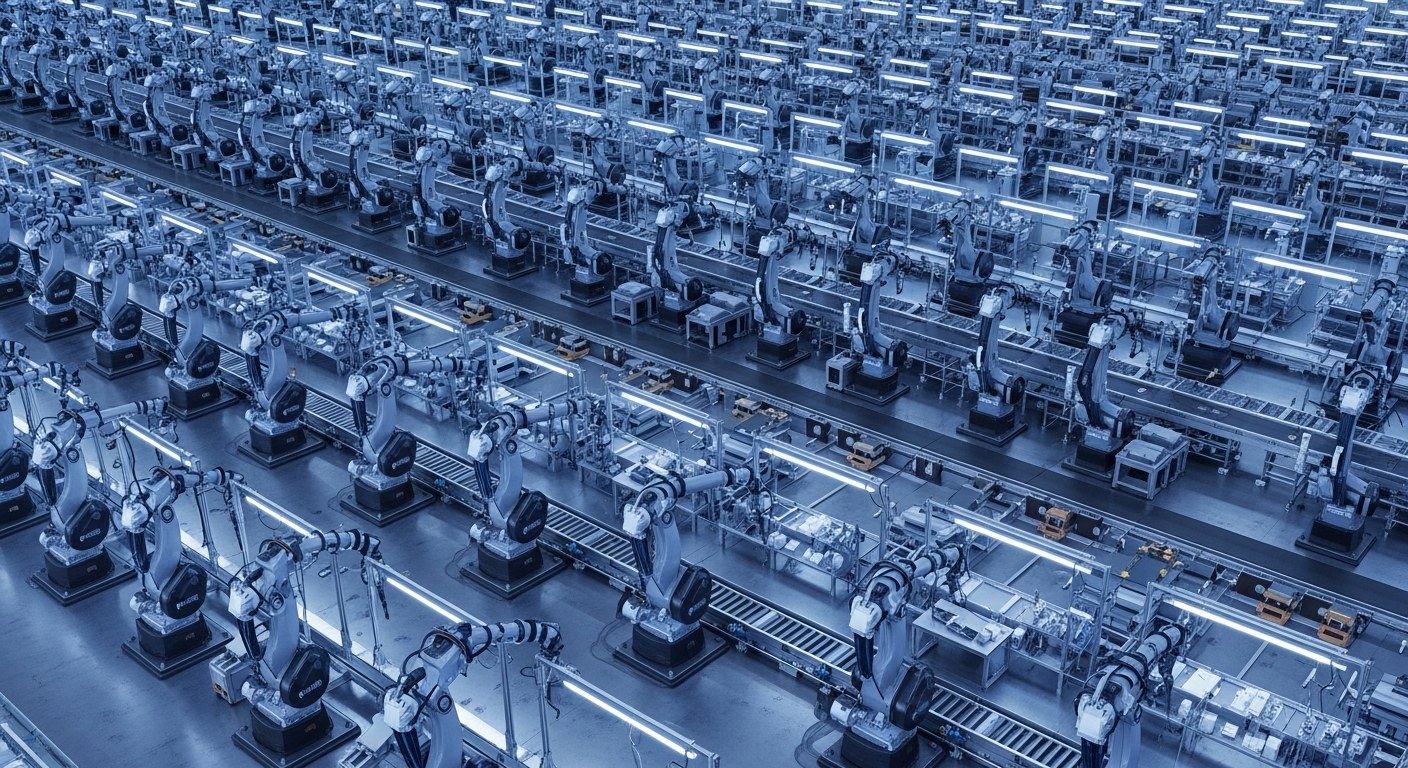
UBTECH's 5,000 Humanoid Robot Pre-Orders: A Blueprint for European Robotics Strategy
UBTECH's U1 humanoid companion robot has secured over 5,000 pre-orders, signaling a significant leap in consumer robotics and advanced manufacturing. This achievement offers critical insights for European founders and investors navigating the rapidly evolving global tech landscape. Understanding the drivers behind this success is paramount for shaping competitive strategies in Europe.
Read story →
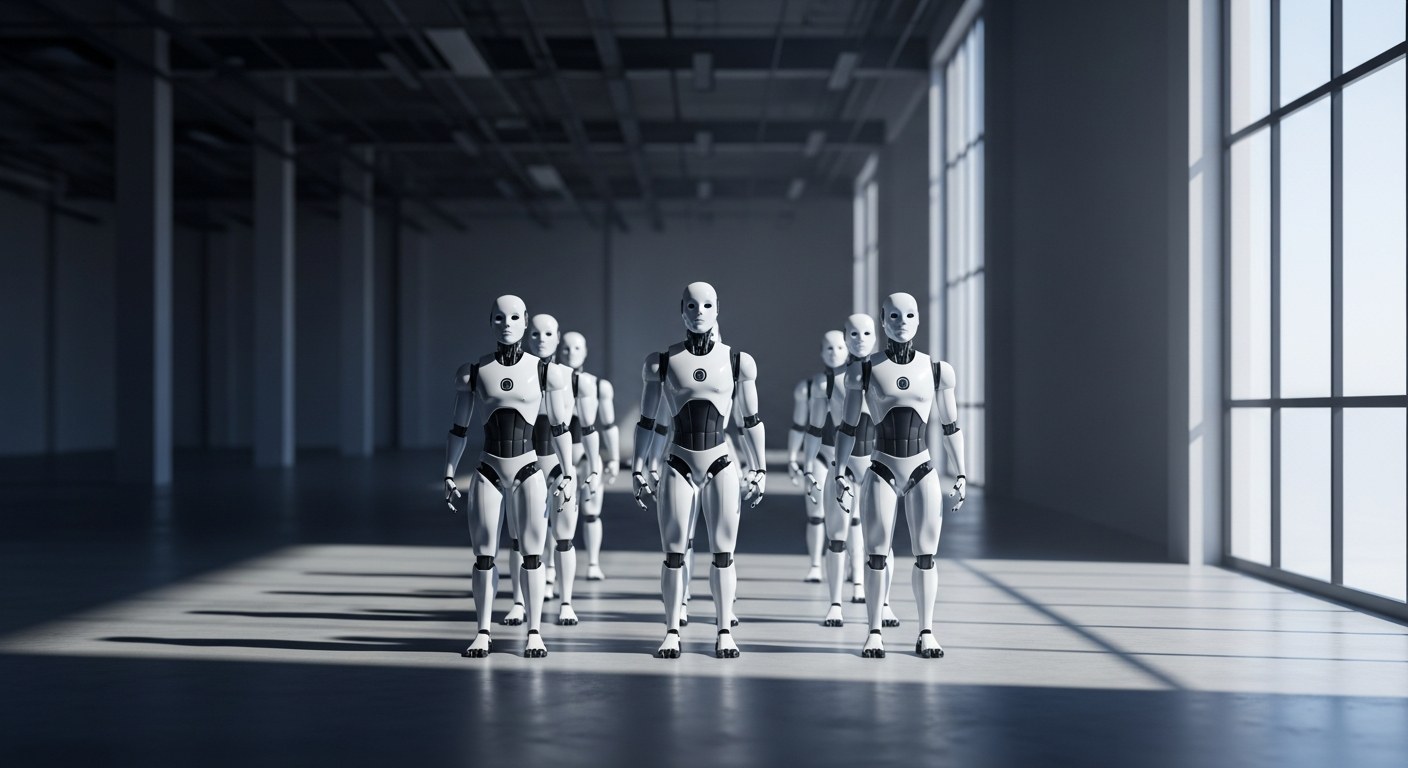
China's Climbing Robots Reshape European Logistics: Adapt or Be Outmaneuvered
Chinese logistics giant Cainiao has quietly deployed over a hundred advanced climbing robots in its European fulfillment centers, signaling a new era of automated warehousing. This move presents a stark challenge and a critical learning opportunity for European logistics operators and investors, demanding a re-evaluation of current automation strategies.
Read story →

China's AI Monetization Minefield: Lessons for European Founders on User Loyalty
The path to monetizing AI in China is proving treacherous, as a major player recently discovered a significant drop in user engagement after introducing paid features. This development offers crucial insights for European founders and investors navigating their own AI strategies, highlighting the delicate balance between value and willingness to pay.
Read story →
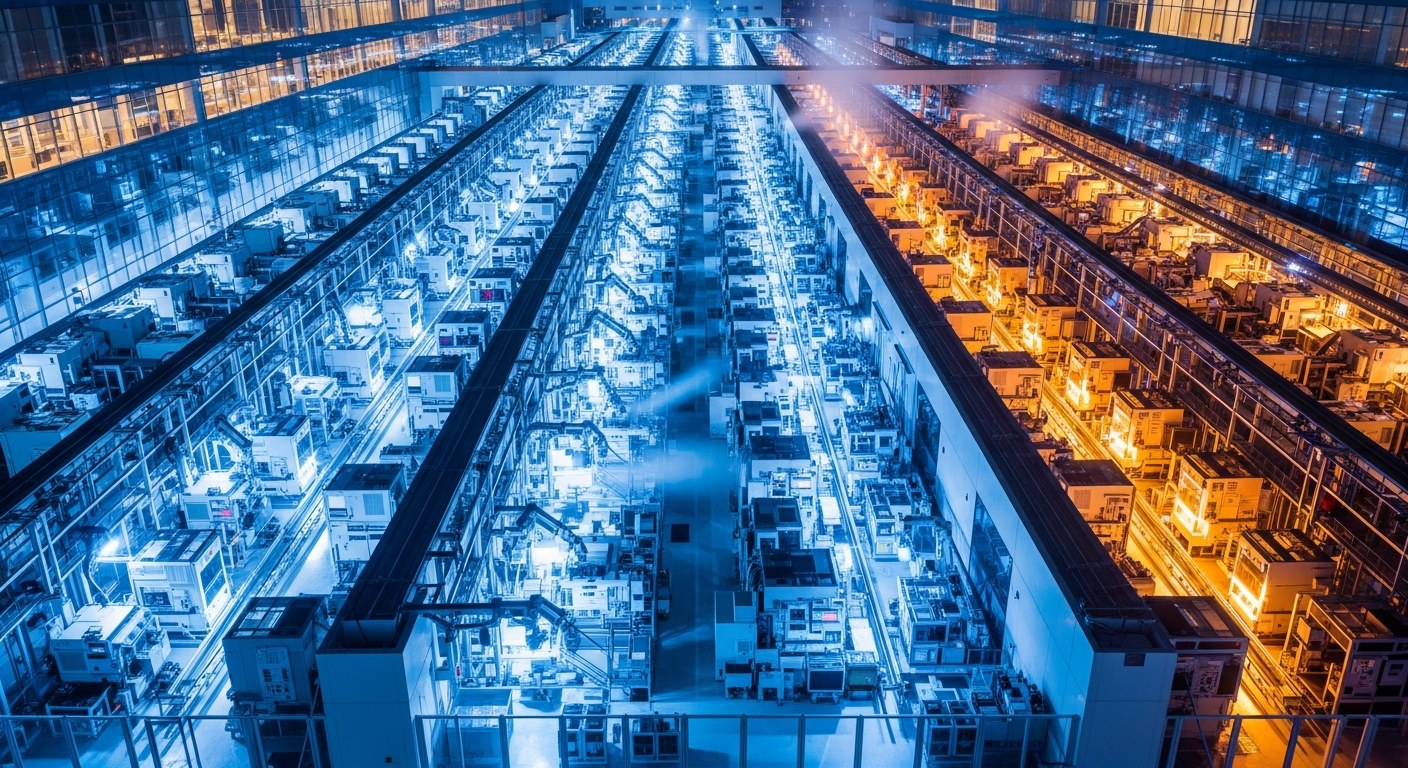
China's HBM Ambitions Should Force European AI Investors to Reprice Everything
CXMT, China's largest memory maker, is targeting mass production of 12-layer HBM by 2027. European AI infrastructure investors have been modelling HBM supply risk as a Seoul-and-Hsinchu problem. They should stop doing that immediately.
Read story →

Chery's Barcelona Hub Is the Playbook European OEMs Always Feared
Chinese automakers are no longer content with shipping vehicles into Europe and absorbing tariff hits. Chery's new Barcelona operations centre — its first overseas regional hub — marks the moment localisation became the strategy. For European OEMs and investors, this changes the competitive calculus entirely.
Read story →

One Chinese Rocket Startup Just Raised More Than All of Europe's Launch Sector Combined
i-Space is raising RMB 7 billion (≈$970 million) in a single pre-IPO round — more capital than ESA's entire European Launcher Challenge pledged across five companies. For European space founders and investors, this isn't just a funding headline. It's a signal about where launch cost floors are heading by 2028.
Read story →
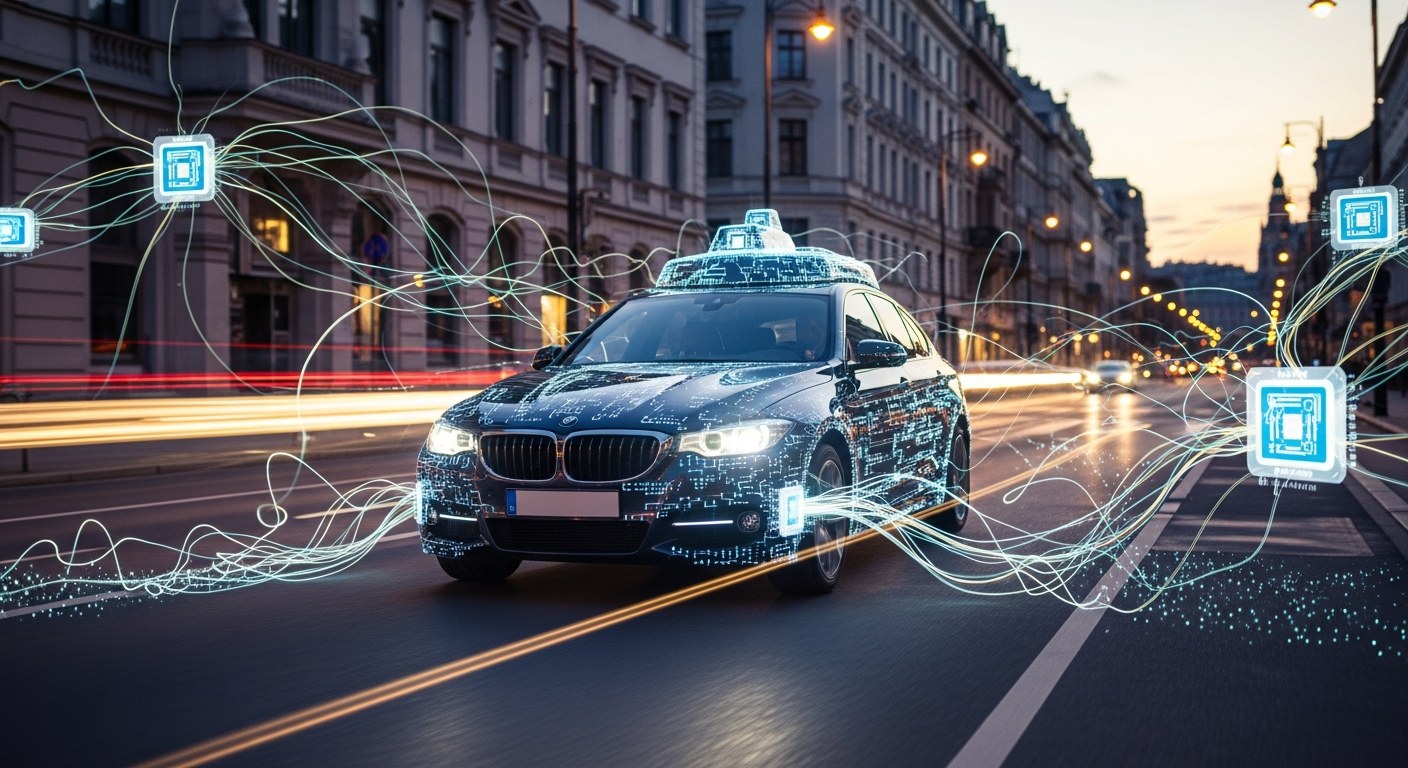
Pony.ai's Self-Teaching AV Brain Is Already in Europe — Are You?
Pony.ai didn't just launch Europe's first commercial robotaxi service in Zagreb. It arrived with a world model that diagnoses its own failures, hunts down the data it needs, and retrains without a single human annotator. European AV startups still running annotation pipelines should be asking an uncomfortable question: are they building a product, or just falling further behind?
Read story →

Vidu Is Undercutting Runway on Price — European Video AI Founders Should Pay Attention
China's Shengshu Technology has built a generative video platform that matches Western quality benchmarks at significantly lower prices. For European founders and investors backing AI video tools, the competitive signal is clear: the pricing wars have already started, and they started in Beijing.
Read story →

China's eVTOL Sector Is Filing for IPO While Europe's Burns
Aerofugia is deep into type certification and sitting on 300 purchase orders. Lilium collapsed. Volocopter scraped through rescue rounds. The gap between Chinese and European urban air mobility is no longer a matter of technology — it is a matter of capital velocity, regulatory architecture, and national will. European founders and investors need to understand what they are actually up against.
Read story →
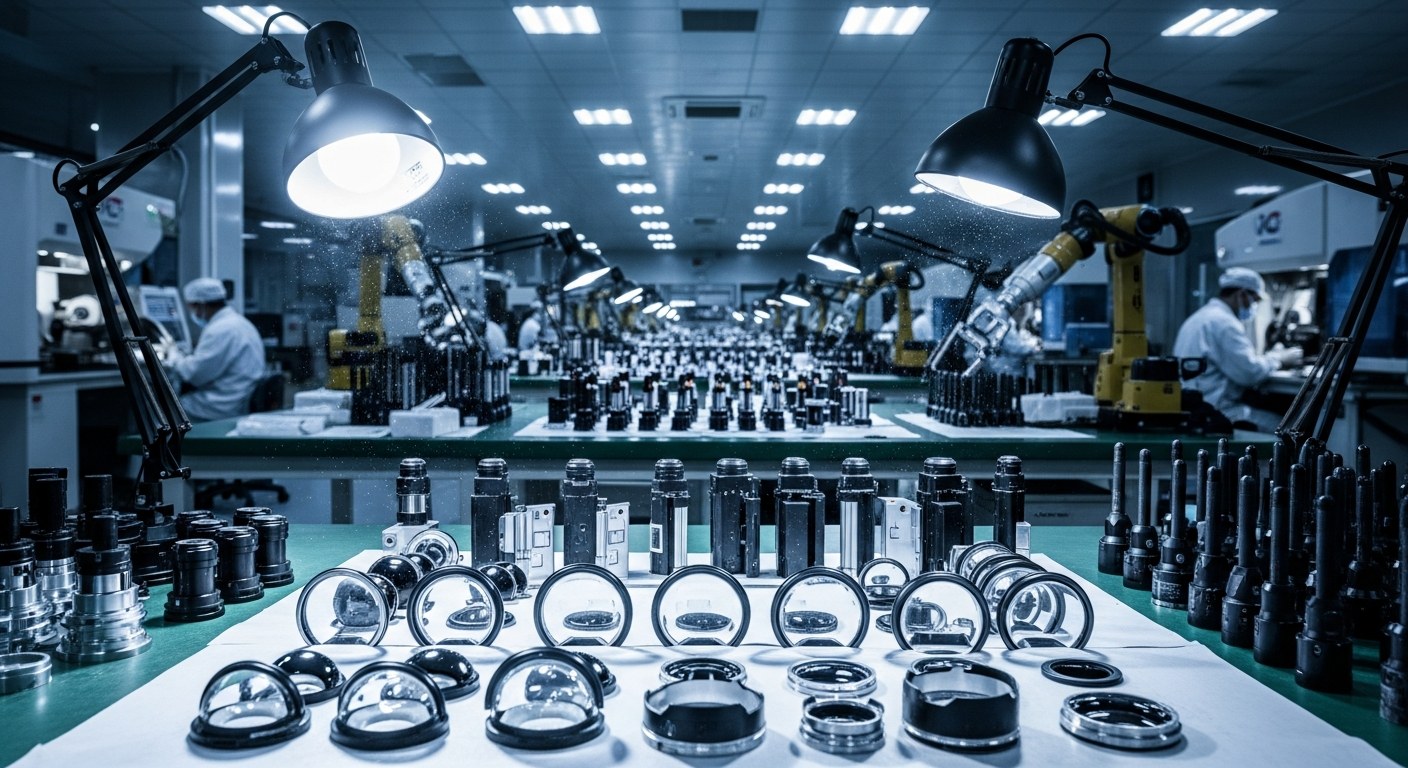
China's Dongguan Lens Factories Are Eating Japan's Lunch — Europe Is Next
Chinese manufacturers in Dongguan are systematically replacing Japanese incumbents in the industrial lens market, a segment worth US$758 million in 2025 and forecast to reach US$1,314 million by 2032. European machine vision suppliers have watched this happen in consumer optics. They should not wait to see if it repeats in industrial. The strategic window to act is narrowing.
Read story →

Alibaba Just Funded the Video AI Already Inside Europe's Distribution Range
ShengShu Technology's Vidu model is live in 200+ regions — including yours. With Alibaba Cloud closing a 2 billion yuan ($293 million) Series B, European media founders now face a well-capitalised, globally distributed Chinese video AI at the moment they can least afford to ignore it.
Read story →

DJI Drops Osmo Pocket 4 Next Week — European Creators Can't Afford to Ignore It
DJI is scheduled to launch the Osmo Pocket 4 on April 16, bringing a 1-inch sensor to its compact camera line. For European content creators heading into peak production season, the timing is sharp. This is not a marginal upgrade — it is a category reset.
Read story →
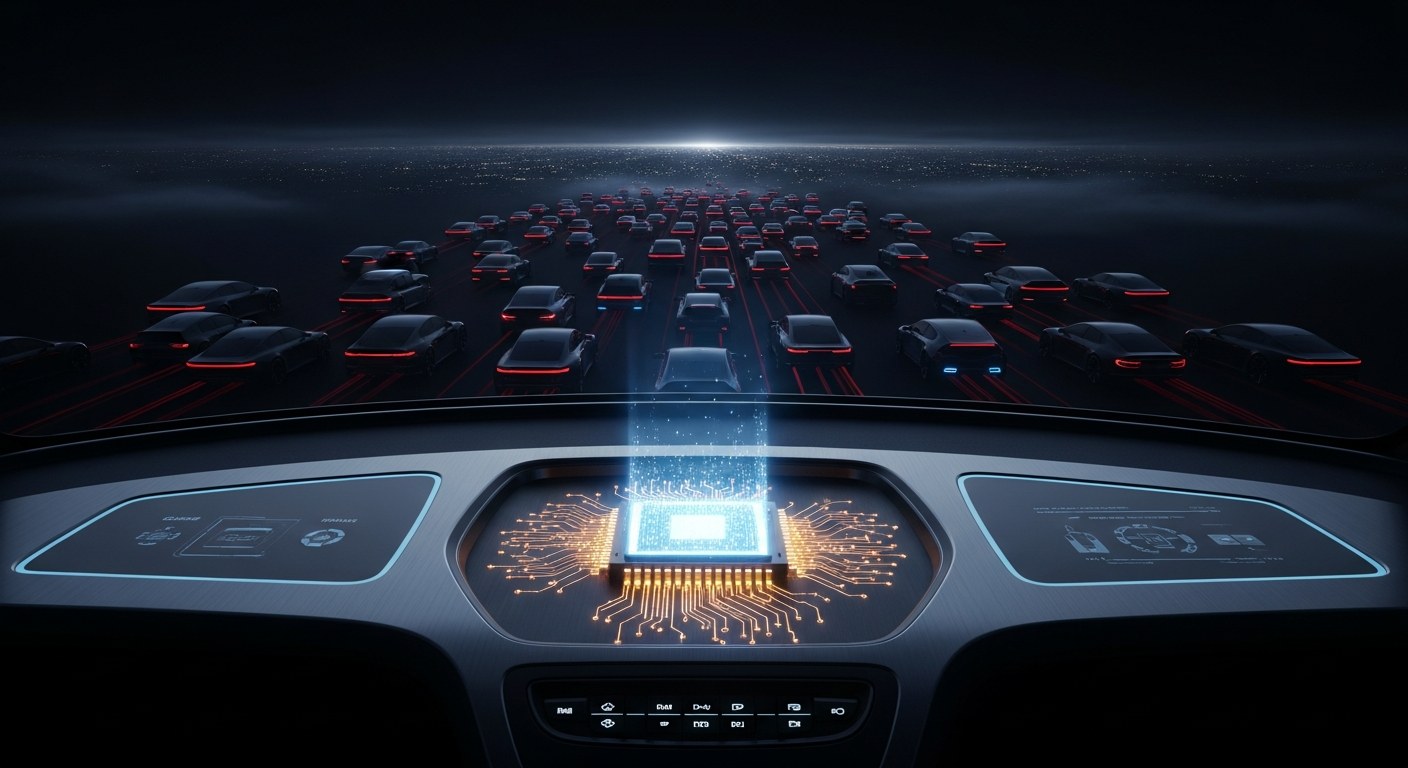
China Just Commoditised Urban NOA — European Tier-1s Are Running Out of Time
neueHCT closed nearly $200 million in fresh capital and locked down design wins across more than 10 vehicle models in 2025 — all targeting a mass-market price point that European Tier-1s have never successfully competed at in China. With Aptiv and ZF already holding just 2.6% and 2.1% of China's L2+ market respectively, the commoditisation of smart driving is no longer a future threat. It is a present reality moving toward export.
Read story →
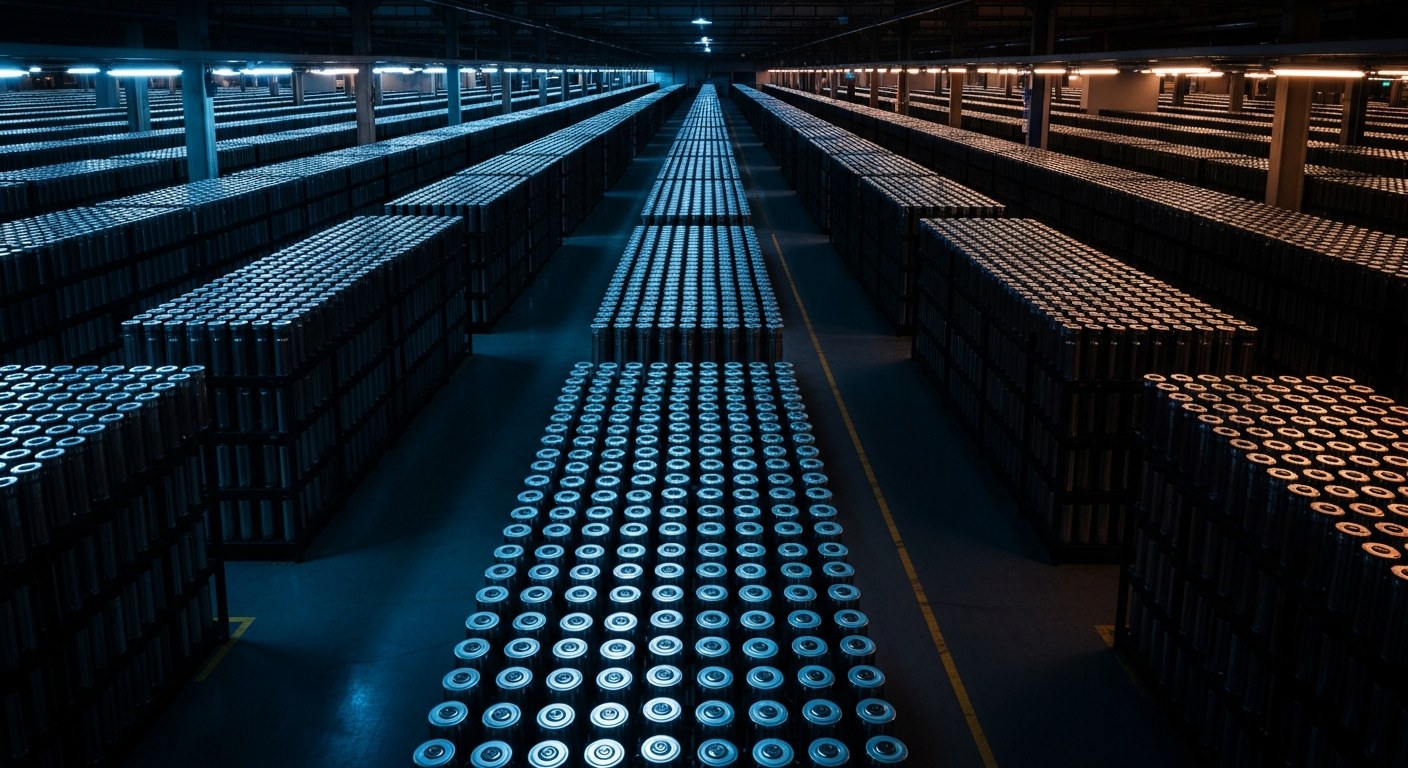
The $2.9 Billion Battery Contract That Became $7,386 — What European Investors Missed
A South Korean supplier's Tesla contract collapsed from US$2.67 billion to effectively nothing. It's not just a story about one bad deal — it's a masterclass in the single-program concentration risk that European battery investors keep underpricing. Here's what the wreckage tells you about where to place your bets.
Read story →
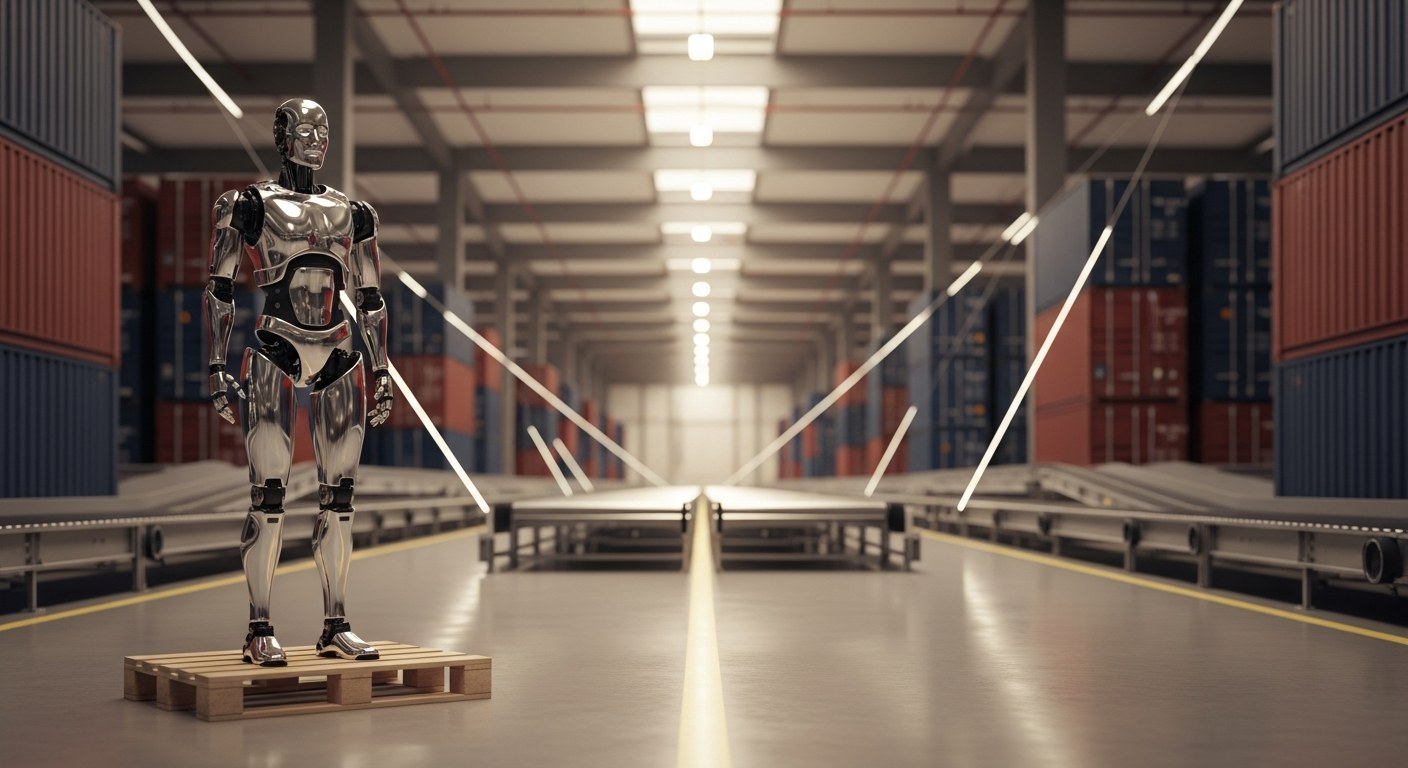
Unitree Robots Are Coming to AliExpress — European Distributors Are Exposed
Unitree Robotics and Alibaba are reportedly building a global expansion partnership via AliExpress, putting humanoid robots priced from $4,900 within reach of any European buyer with a credit card. The platform carrying them is under active EU regulatory scrutiny. Your robot distributor's margin model was not built for this.
Read story →
Your Energy Transition Runs Through Beijing — The Hormuz Crisis Just Proved It
European and Asian refineries paid near-record prices of US$150 a barrel as the Strait of Hormuz crisis strangled global oil supply. But the deeper vulnerability wasn't in the Persian Gulf — it was in the Chinese factories making the inverters that European solar and battery storage cannot function without. Chinese inverter exports jumped 57 per cent year on year to US$1.66 billion in just the first two months of 2026. Europe has no credible substitute.
Read story →
TikTok's €12B European Data Fortress Is a Blueprint — Not a Threat
TikTok has announced a second €1 billion data center in Lahti, Finland, deepening its €12 billion Project Clover commitment to European data infrastructure. A Chinese-owned platform is now building at hyperscaler scale, using GDPR compliance and Nordic green energy as strategic levers. European sovereign cloud founders should be asking themselves one uncomfortable question: why is ByteDance moving faster on European data trust than they are?
Read story →
Volkswagen Is Licensing Its AI Brain From XPeng — Every European OEM Should Be Alarmed
The April 16 launch of the Volkswagen ID. UNYX 08 is not just another EV reveal. It is the moment a legacy European automaker admitted, in hardware and software, that it cannot build competitive autonomous driving intelligence on its own. The implications reach far beyond China.
Read story →
D-Robotics Has $270M to Own Robot Brains — Europe Has Nothing
D-Robotics just closed a $270M Series B to cement its position as the dominant silicon layer for China's embodied AI boom. Horizon Robotics — its publicly listed parent — reported $546 million in 2025 revenue, growing at 57.7% year-over-year. European AI investment is surging, but none of it is going into dedicated robot brain chips. That gap is about to matter enormously.
Read story →

Alibaba's Token Hub Is the Commerce OS Europe Hasn't Built Yet
Alibaba didn't just reorganise its AI teams in March 2026 — it declared that the future operating system of large-scale commerce is a vertically integrated AI token stack. European commerce founders and platform builders should read this architecture shift as both a blueprint and a threat. The moat being built isn't in logistics or pricing. It's in who controls the infrastructure layer that generates, routes, and applies AI at every point of a commerce platform.
Read story →
The Chinese Chip Stack Beneath Embodied AI Is Coming for Europe's Robotics Founders
D-Robotics just closed a $120 million B1 round, bringing total funding to $220 million, and showed up at embedded world in Nuremberg with a vertically integrated chip-to-software platform purpose-built for embodied AI. European robotics founders building on NVIDIA Jetson or Qualcomm silicon should understand what that combination actually means for their competitive position — before their customers do.
Read story →

Rokid's Hong Kong IPO Is the Wearable-AI Signal European Investors Are Missing
Rokid is heading toward a Hong Kong IPO with over $414 million raised, a $1 billion valuation, and AI glasses already on European shelves at $299 — $80 cheaper than Meta's Ray-Ban. For European hardware investors, this is the first publicly traded pure-play on China's wearable-AI wave, and the window to understand it before it reshapes retail is closing fast.
Read story →
StellarStack's $70M Angel Round Is the Warning European Metal 3D Printing Needs to Hear
A Chinese industrial metal 3D printing startup just raised an angel round at a ~$70 million valuation — before most European industry watchers had even heard its name. If that sounds familiar, it should: it's the same early-stage signal that preceded China's dominance in EVs, solar panels, and industrial robotics. European incumbents, take note.
Read story →
BYD's 1,500 kW Denza Arrives Tomorrow — Europe's Grid Can't Keep Up
BYD is scheduled to debut the Denza Z9GT in Europe on April 8, 2026, bringing flash-charging technology that delivers a 10%-70% charge in five minutes at up to 1,500 kW — ten times the EU's minimum highway charging requirement. Europe's public charging network, still adding rapid chargers at a pace of hundreds per month, is structurally unprepared for what's coming. For European founders and investors in the EV supply chain, this isn't just an infrastructure story. It's a strategic warning.
Read story →

Baidu's Clinical AI Agent Is the Benchmark European Digital Health Founders Are Missing
Baidu Health's 'Youyi Assistant' just became China's first task-oriented medical AI agent built on the OpenClaw framework — and it arrived the same week China's NMPA issued sweeping new 'AI+' healthcare implementation rules. European founders benchmarking clinical workflow automation against US platforms are looking at the wrong competitor.
Read story →

80% of Chinese Firms Are Expanding in Europe — Are You Ready?
A landmark report released in Luxembourg in March 2026 found that nearly 80 percent of surveyed Chinese firms planned to expand EU investment over the next three years. European operators have been watching China's regulatory tightening at home and assuming it would slow the outbound wave. They were wrong. The wave is arriving — and the EU's defensive architecture is still under construction.
Read story →
Europe Mapped CATL. It Forgot to Map EVE Energy.
While European regulators, utilities, and storage integrators trained their scrutiny on CATL, EVE Energy quietly posted record revenues of ¥61.47 billion (~$8.6 billion) in 2025 and signed gigawatt-hour-scale partnership agreements from Scandinavia to the Balkans. A second major Chinese battery giant is already embedding itself in Europe's grid infrastructure — and most operators haven't started their due diligence.
Read story →
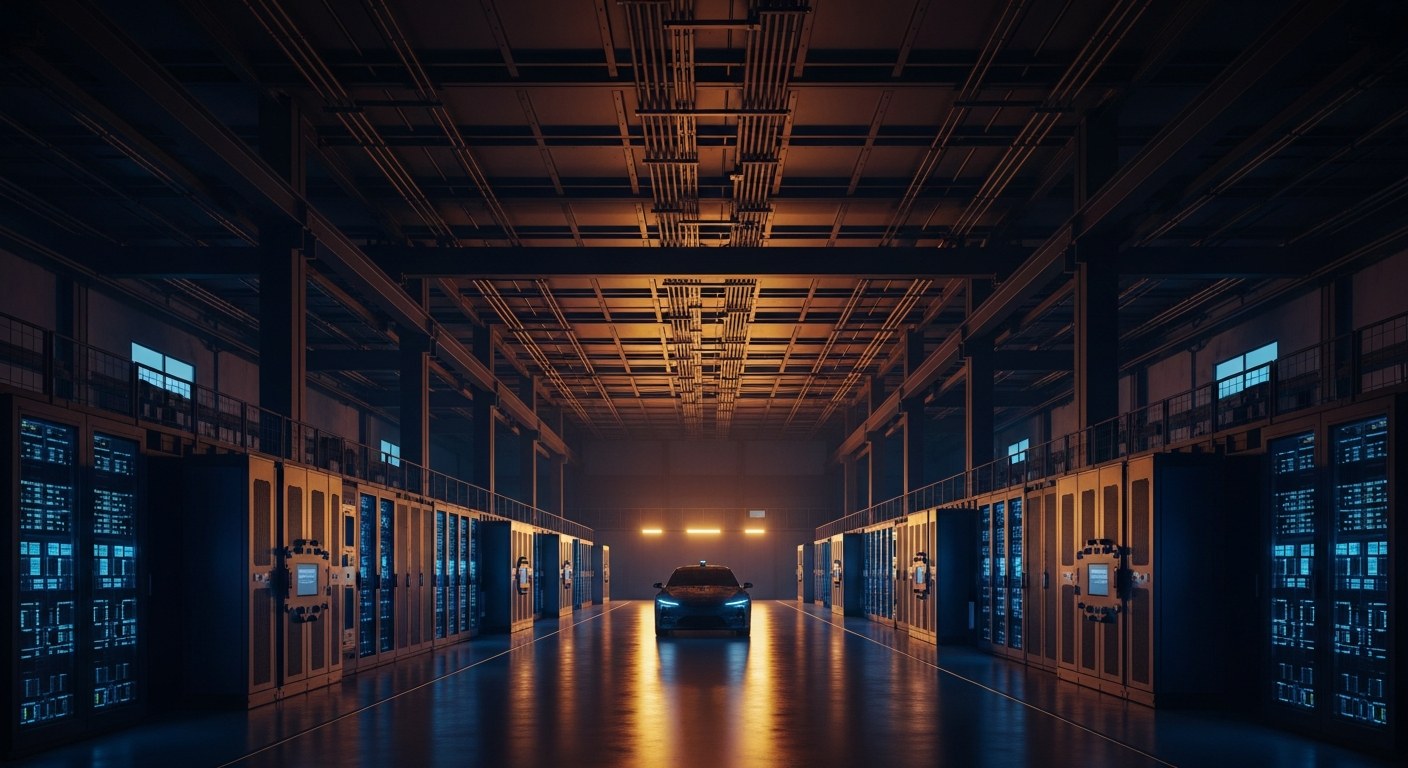
Huawei Spent CNY192B on R&D Last Year — Your Startup Cannot Out-Iterate That
Huawei's 2025 annual report reveals a company reinvesting 21.8% of its CNY880.9 billion (~$127.5 billion) revenue directly into R&D — with HarmonyOS and automotive AI among the declared priorities. For European automotive software founders and OEM software teams, this is not a competitive data point. It is a structural verdict. The moat being built is not a product; it is a compounding flywheel that incremental iteration cannot close.
Read story →
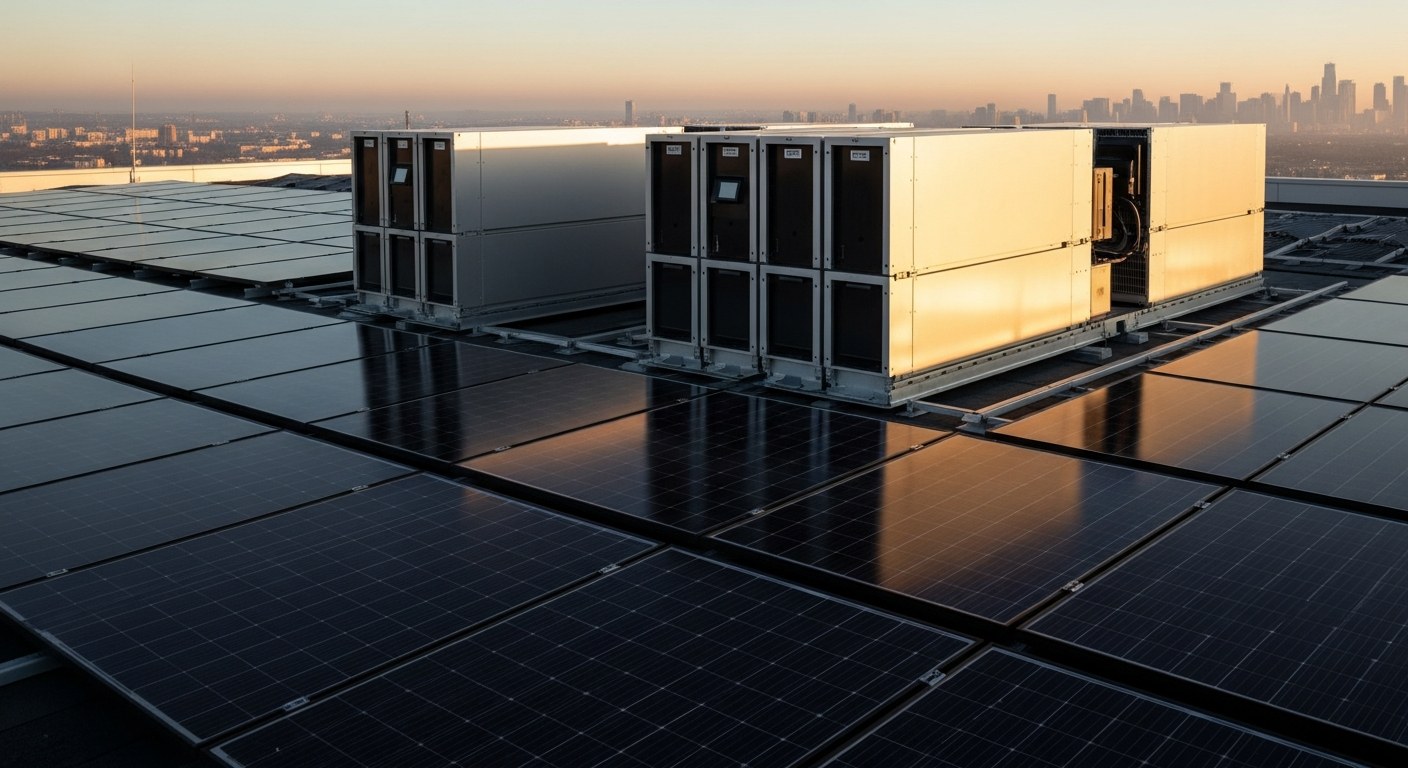
LONGi ONE Is Coming for the Margin Layer European Integrators Still Own
LONGi just announced it is moving beyond panel manufacturing into fully integrated solar-plus-storage solutions — and it is building the service infrastructure to compete on European soil. For SMA, Sonnen, Fluence, and every European energy integrator sitting on bundled-solution margins, the strategic threat is no longer theoretical. Here is what the LONGi ONE launch means for how European founders and investors should be positioning right now.
Read story →
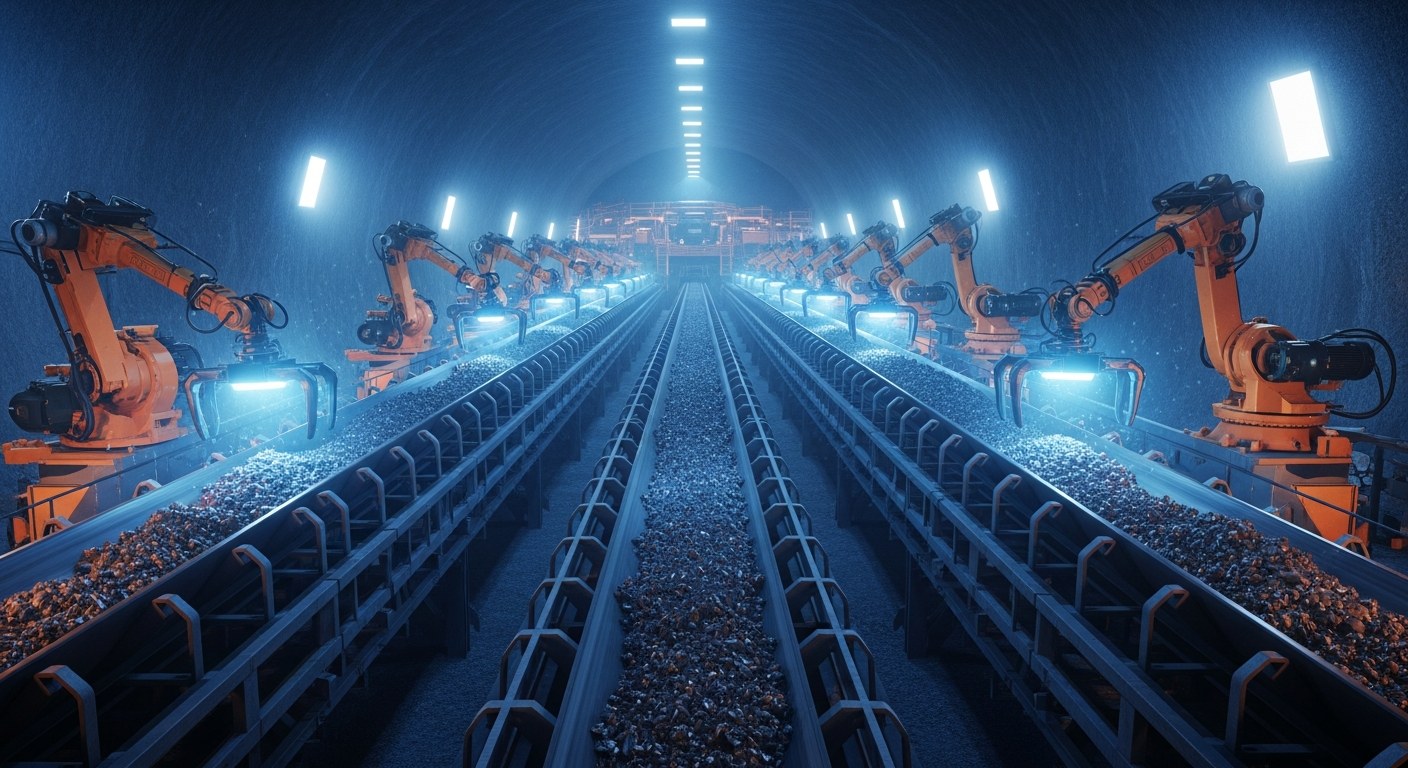
China's AI Ore-Sorters Are Going Global — Europe's Mines Should Be Worried
A Tsinghua-backed AI mineral-sorting firm is pushing into international markets just as Europe scrambles to hit critical raw materials targets. Chinese AI is quietly becoming the pick-and-shovel layer inside the world's mines — and European founders and investors haven't noticed yet.
Read story →

Beijing Has Already Funded 2030. European Founders Are Still Reading 2024.
China's 15th Five-Year Plan locks in state-backed AI ambitions through 2030 — complete with investment funds, GDP targets, and career incentives for officials who deliver. European founders are still reacting to last year's Chinese products. The structural gap is widening, and the window to understand it is closing.
Read story →

ByteDance's Doubao Is Becoming an AI OS — European Mobile Founders Must Act Now
ByteDance is moving Doubao from a chatbot into a system-level AI layer embedded across multiple Chinese smartphone OEMs. Two of China's top five phone makers are already in talks. European mobile founders and OS developers have a narrowing window before this model arrives in Western markets through hardware partners.
Read story →
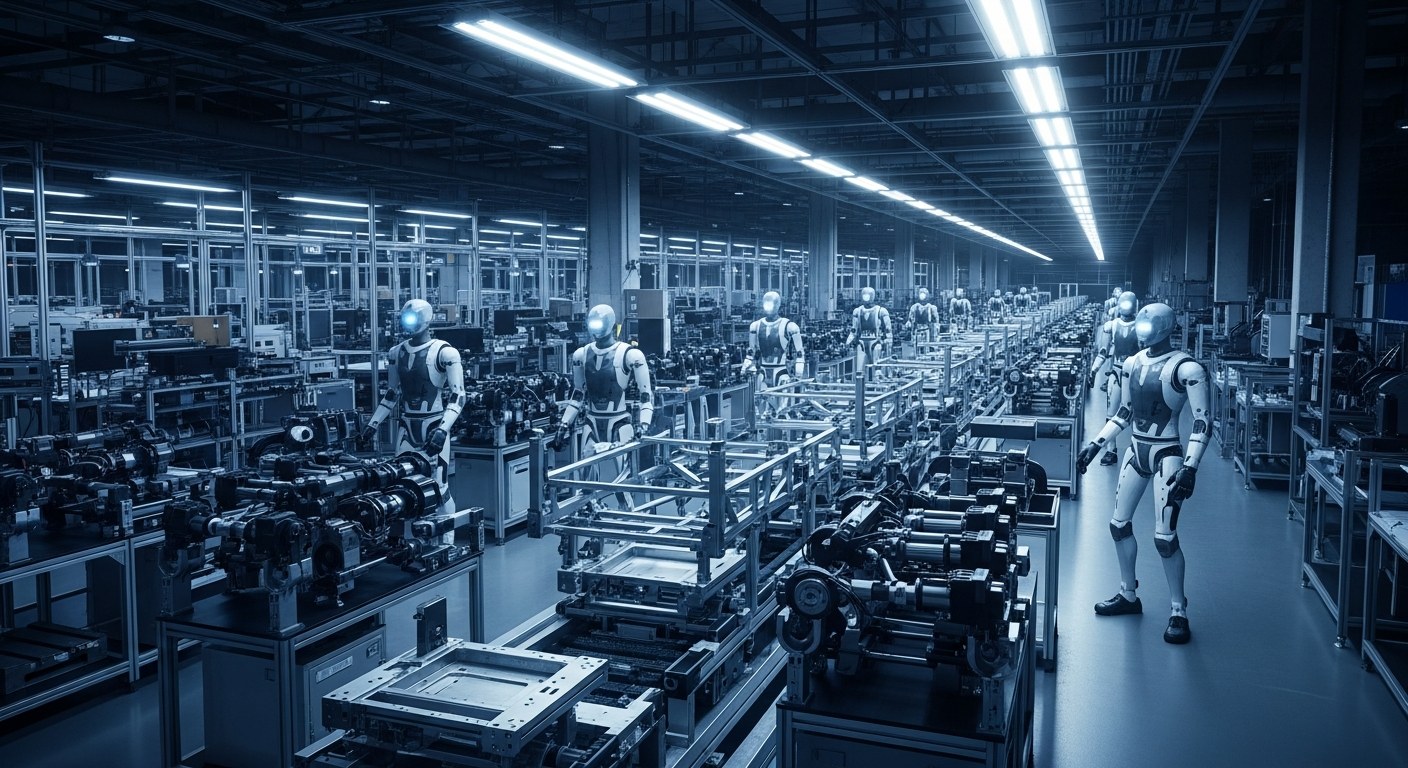
China's Humanoid Robot Lines Are Mass-Production Now — European Factories Should Act Accordingly
A Guangdong facility producing one humanoid robot every 30 minutes just changed the economics of factory automation. With 87% of all humanoid robots delivered in 2025 made in China and a Five-Year Plan embedding 'embodied intelligence' as national doctrine, European operators and integrators are facing a supply-side shock, not a technology debate.
Read story →
Beijing Let Its EV Champions Go Rogue — Europe Is Now Paying the Price
China's commerce ministry quietly sanctioned a fragmentation strategy in February 2026: let each EV maker strike its own deal with Brussels. For European policymakers, this is not a diplomatic concession — it is a precision tool for dismantling the EU's tariff architecture one carmaker at a time, just as the continent's only credible battery alternative has gone bankrupt.
Read story →

ByteDance's 72-Hour AI Face-Theft Takedown Is the Playbook Europe Doesn't Have Yet
When a complaint landed about unauthorized AI-generated likeness use on ByteDance's short drama platform, the company removed the series and penalized the producer within 72 hours. Europe's AI Act has the ambition — but not yet the operational mechanics — to move that fast. Here's what founders and investors building in the synthetic media space need to understand before the rules crystallize.
Read story →
China Divided Its EV Brands — Now Europe Must Negotiate With All of Them
Beijing's February 2026 decision to let Chinese EV makers cut individual tariff deals with Brussels has shattered the fiction of a unified Chinese negotiating bloc. For European founders, operators, and investors, this is not a diplomatic nuance — it is a structural shift that changes the competitive landscape faster than any factory can be built. The Northvolt collapse means Europe has no credible fallback.
Read story →

China Killed Its Digital Cash — Now Europe Must Rethink the Digital Euro
On January 1, 2026, Beijing quietly abandoned the foundational premise of its e-CNY experiment, reclassifying the digital yuan from a cash substitute into an interest-bearing bank deposit. The world's most aggressively promoted state digital currency just admitted it couldn't beat Alipay and WeChat Pay at their own game. European policymakers accelerating the digital euro have a narrow window to absorb that lesson before they repeat it.
Read story →

Brussels Pulls Two Levers at Once — and European Operators Must Choose Fast
A 'Made in EU' local-content mandate and a hard ban on Chinese participation in critical tech programmes landed in the same quarter of 2026. For any European operator still running Chinese AI, chips, or telecom infrastructure, the compliance clock is now ticking on two fronts simultaneously. The gaps in European alternatives make that clock uncomfortable to hear.
Read story →
Leapmotor Is Already Inside the Tariff Wall — European Automakers Should Be Alarmed
Leapmotor posted its first-ever annual profit in 2025, doubled its revenue, and is now assembling cars in Poland under a Stellantis joint venture that effectively grants it made-in-Europe status. The EU's tariff regime was supposed to slow Chinese EVs down. Instead, it may have accelerated the most sophisticated market-entry strategy the continent has ever seen.
Read story →
China's Robot Surge Is Heading to Europe — Are Your Factories Ready?
China produced 143,608 industrial robots in just the first two months of 2026 — a 31 percent year-over-year jump that is accelerating, not plateauing. With Europe and Southeast Asia already the largest export destinations for Chinese-made robots, European factory operators and automation integrators are facing a supply-chain shock they have barely begun to price in.
Read story →

ByteDance's OS-Level AI Phone Is Already in Barcelona — European Mobile Founders, Take Note
ByteDance and ZTE have debuted an AI assistant embedded at the operating system level — not as an app, but as the phone's control layer. It appeared at MWC 2026 in Barcelona. European founders building app-layer AI products should read this as a structural threat, not a product announcement.
Read story →

Pop Mart Tripled Profits Overseas — So Why Did the Market Flinch?
Pop Mart posted one of the most dramatic international expansion stories in consumer goods history, with nearly 44% of revenue now coming from outside China. Markets still sold off the stock. European consumer founders and investors need to understand both halves of that sentence.
Read story →
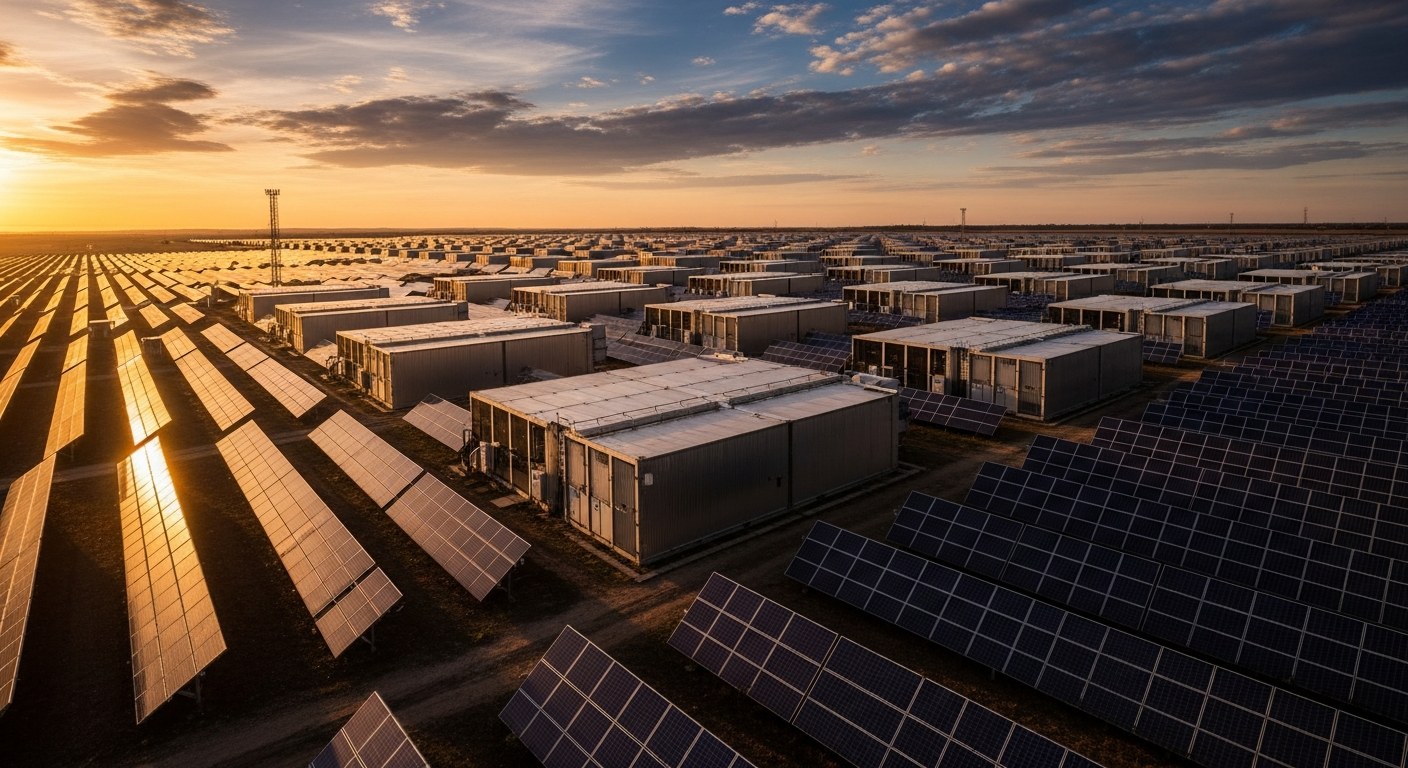
LONGi Is No Longer a Panel Supplier — Europe's Integrators Should Be Worried
LONGi has repositioned itself as a turnkey solar-plus-storage system provider, combining its solar and battery technology under a single brand, a single platform, and a single service promise. With 30 localized service centres planned globally by 2028 and a product family spanning utility-scale to commercial applications, this is not a product launch — it is a market entry strategy. European clean energy integrators, whose business model depends on bundling hardware from multiple vendors, now have a well-capitalised Chinese rival competing on their home turf.
Read story →

BYD's Quietly Raised Export Target Is a Volume Warning for Europe
BYD didn't announce a strategy shift — it revised a number. But that 200,000-unit upward revision to its 2026 export target tells European dealers, infrastructure operators, and EV investors everything a tariff negotiation cannot. The wave is larger than the public guidance suggested, and it is already moving.
Read story →
SpinQ Raised Two Rounds in One Quarter — European Quantum Has No Answer
SpinQ Technology closed a Series C in January 2026, months after a Series B in July 2025, raising hundreds of millions of RMB across both rounds. It is already selling commercial quantum hardware. European startups are still writing grant applications.
Read story →
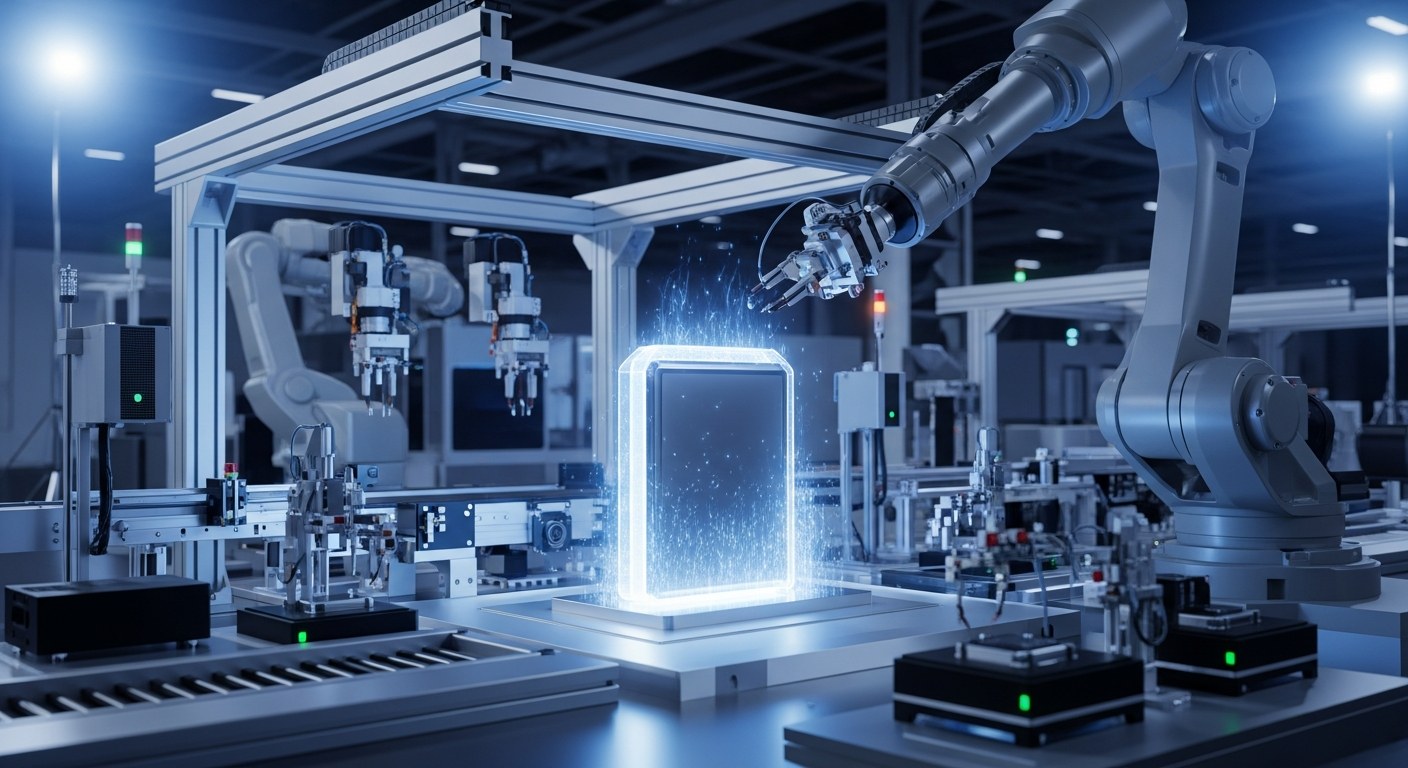
China Just Funded 500 Wh/kg Into Production — Europe Is Still Pitching It
Chinese manufacturers have crossed the energy density threshold that European battery startups have long positioned as their future competitive moat — and they're doing it at production scale, not in a lab. While Northvolt collapsed under $9 billion in funding, China's battery giants are scheduling vehicle integrations for 2026 and 2027. European founders and investors need to understand what that gap actually means before it closes the window entirely.
Read story →

Apollo Go's Wuhan Freeze Is the AV Safety Case Europe Needed
At 20:57 on March 31, at least 100 fully driverless robotaxis simultaneously stalled across Wuhan's roads and elevated expressways, trapping passengers for up to two hours with broken SOS systems. No one was hurt — but the incident exposed every hard question European regulators have been quietly deferring. Here is what European founders, insurers, and policymakers should take from it before their own frameworks lock in.
Read story →

XREAL's IPO Shows Europe Is Already the Target Market
XREAL has filed for a Hong Kong IPO with over 70% of its revenue already coming from outside China. With Project Aura — its Android XR glasses built with Google — expected to launch in 2026, European XR founders are no longer watching a distant threat. It is already on their doorstep, capitalised and backed by one of the world's most powerful tech ecosystems.
Read story →
Huawei Spent More on R&D Than Most European Tech Firms Earn
Huawei's 2025 annual report is not a telecoms story. It is a platform story — spanning AI, operating systems, and autonomous driving — and European founders are asking the wrong questions about it. The company that Europe still frames as a 5G infrastructure risk is quietly becoming its most formidable full-stack technology competitor.
Read story →

Moonshot Hit $100M ARR in a Month — European AI Labs Should Be Embarrassed
Kimi K2.5 generated more revenue in 20 days than Moonshot AI made in all of 2025. Zhipu's API business grew 292% last year. China's model race has quietly become a revenue race — and the API layer is the prize. European founders building on top of models need to ask a harder question about who controls the infrastructure beneath them.
Read story →

Xiaomi Is Spending $2.2B on AI — Europe's Shelves Are Already Stocked
Xiaomi has committed 16 billion yuan ($2.2 billion) to AI research, development and capital spending in 2026 — and unlike most Chinese AI investments, this one has a direct distribution pipeline into European living rooms. The question for European founders and investors isn't whether Xiaomi's AI will reach European consumers. It already has the shelf space. The question is what happens when those devices get significantly smarter.
Read story →

Pinduoduo's $14 Billion Supply Chain Bet Makes Temu Structurally Unbeatable
Pinduoduo has committed RMB 100 billion (~$14 billion) to vertically integrate the factories that supply Temu. With nearly 130 million European monthly users and EU profits more than doubling to nearly $120 million, Temu is no longer just cheap — it is engineering cheapness into the industrial substrate itself. European marketplaces are optimising the wrong layer of the stack.
Read story →
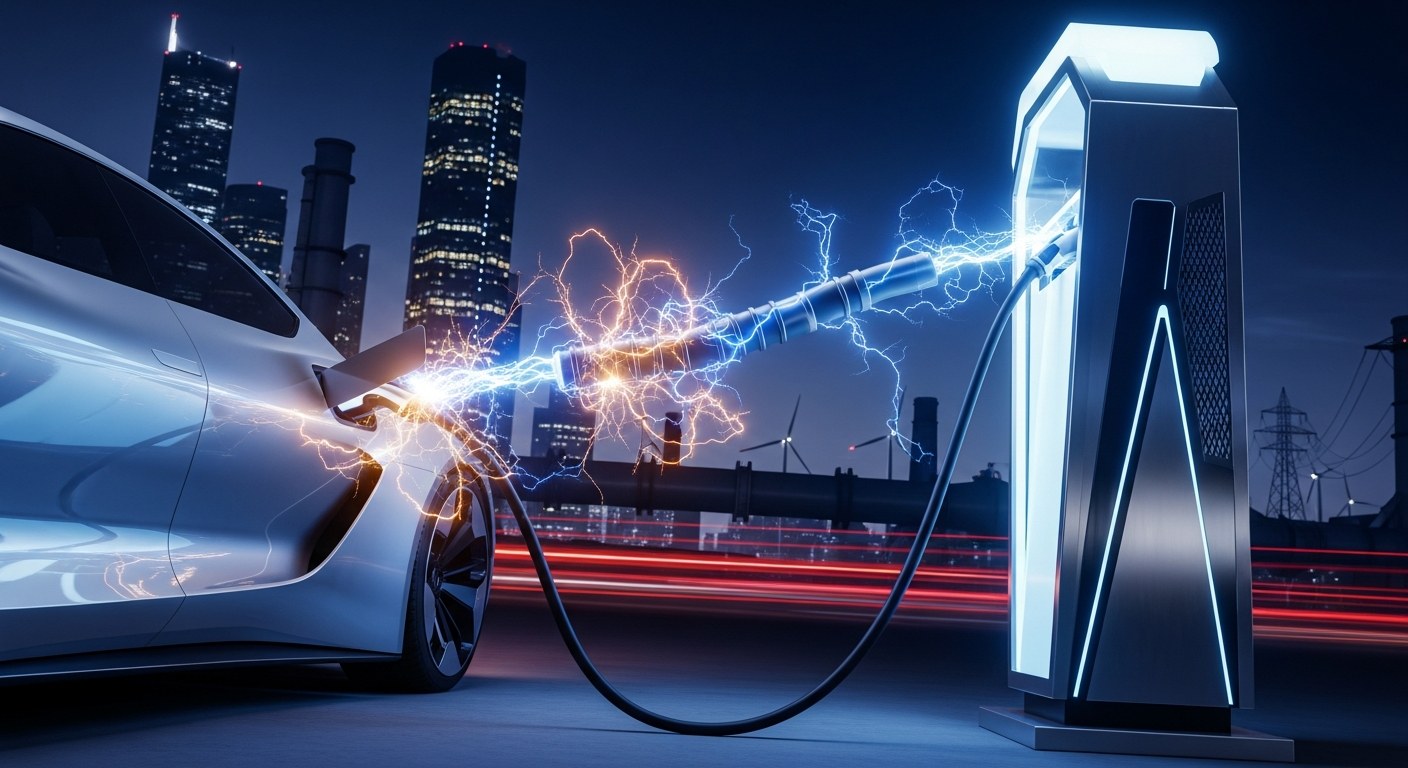
BYD's Five-Minute Charge Is a Product Requirement Shift European Founders Cannot Ignore
BYD's Flash Charging technology — capable of delivering up to 1,500kW through a single cable — is scheduled to arrive in Europe with the Denza Z9GT in April 2026. European charging infrastructure and vehicle platforms were not built for this specification. For founders building EV software, grid management, or fleet telematics, the product requirements conversation just changed.
Read story →

Ant Group Bought a Brokerage — Europe's Wealth Fintechs Should Be Nervous
Ant Group has cleared Chinese regulatory hurdles and is on the verge of completing its acquisition of Hong Kong-listed Bright Smart Securities, a full-service regulated brokerage. This is not a payments story. It is a wealth management land-grab using a playbook that translates directly to Europe's fragmented brokerage landscape — and most European founders haven't noticed yet.
Read story →

Chinese AR Glasses Just Replaced the Interpreter's Booth — Europe Is Next
A Chinese AR glasses maker partnered with Zhipu AI to deliver real-time simultaneous interpretation across 54 languages at a major state forum — sub-second lag, eight hours of battery, no human booth required. The EU runs 24 official languages and just awarded a EUR 119 million translation contract to 40 companies. No European startup has a deployed system at anything close to this scale. The gap is now a business risk.
Read story →
China Let Its EV Makers Negotiate Alone — Europe Has No Playbook for That
Beijing's decision to allow individual Chinese automakers to cut their own tariff deals with Brussels has shattered the assumption that the EU was negotiating with a single, manageable counterpart. For European OEMs and policymakers, the fragmentation of China's negotiating posture is not a concession — it is a new offensive. And it arrives just as Europe's battery sovereignty dream has collapsed.
Read story →

China Killed Its State Digital Currency. Europe Should Be Taking Notes.
Beijing's decision to reclassify the e-CNY as an interest-bearing bank deposit — effectively abandoning the world's most aggressively promoted pure-state digital cash — arrives just as the ECB accelerates its digital euro push. For European policymakers and fintech founders, China's decade-long experiment is a live stress test of the core assumptions driving CBDC design.
Read story →
Brussels Pulls Two Levers at Once: What European Operators Must Do Now
A 'Made in EU' local-content mandate and a hard ban on Chinese participation in critical tech programmes landed in the same quarter of 2026. For any European operator still running Chinese AI, chips, or telecom infrastructure, the compliance clock is already ticking. The two measures interact in ways that make each one harder to navigate than it would be alone.
Read story →

RedNote Is Writing the Social Commerce Playbook Europe Hasn't Opened Yet
Xiaohongshu has over 300 million monthly active users, a proven model for turning lifestyle content into purchasing decisions, and a track record of shaping real-world consumer behaviour in European cities — without even trying to. European founders building in social commerce have a shrinking window to establish defensible positions before Chinese platforms arrive in force.
Read story →
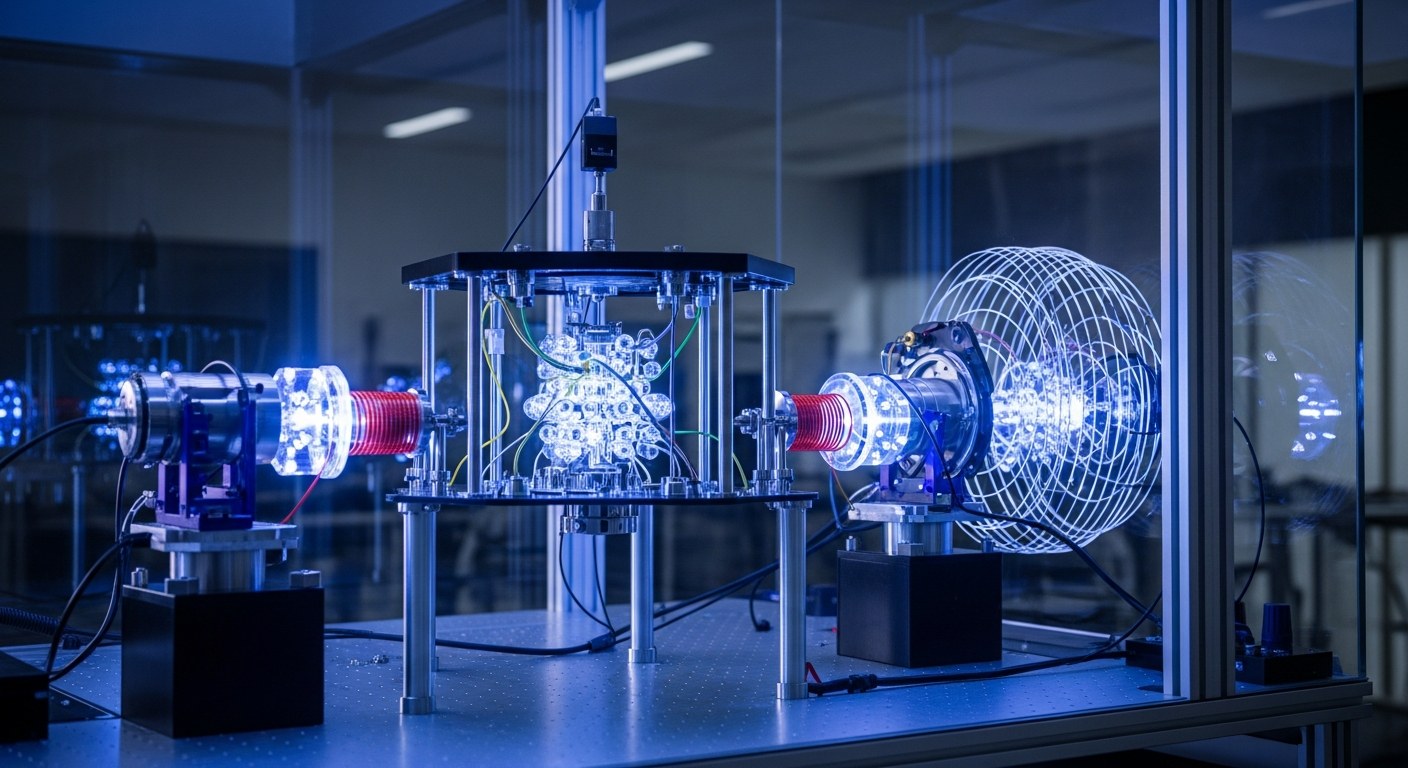
China's Quantum Labs Are Closing the Ion-Trap Gap — European Startups Should Be Worried
A research breakthrough at USTC and accelerating parallel work from US national labs signal that the race to commercialise ion-trap quantum computing is no longer a Western affair. For European quantum founders, the competitive landscape just shifted — and private capital in China is watching closely. Here is what that means for strategy, talent, and timing.
Read story →

Beijing Let Its EV Makers Go Rogue on Tariffs — Europe Is Now Losing the Trade War One Brand at a Time
China's commerce ministry has accepted that its automakers can negotiate EU tariffs independently, shattering any pretence of a unified Chinese negotiating bloc. For European policymakers, that is not a concession — it is a trap. And with Northvolt gone and BYD's EU market share nearly tripling in a year, Europe has no credible counter-move ready.
Read story →
Brussels Pulls Two Levers at Once: What European Operators Must Do Now
A 'Made in EU' local-content mandate and a hard ban on Chinese participation in critical tech programmes have landed in the same quarter of 2026. European operators using Chinese AI, chips, or telecom infrastructure now face a compliance maze with real stakes attached to both public procurement eligibility and EU research funding. The window to act is narrowing fast.
Read story →

China's Five-Year Plan Targets Quantum Hardware — European Founders Have Less Time Than They Think
China's 15th Five-Year Plan names quantum technology its top 'future industry' priority, and strategic investors including Ant Group and Geely Capital are now backing domestic ion-trap hardware companies using the same architectural approach as Quantinuum. For European quantum startups still fighting for commercial traction, the competitive window is narrowing faster than most founders have priced in.
Read story →

China Approved 453 Games in Q1 — European Studios Are Not in the Queue
China's NPPA issued 453 domestic game licences in the first quarter of 2026 alone — and only a handful of imported titles made it through the same gate. The barrier is no longer ideological. It is navigational, and European studios are not navigating it.
Read story →

Tencent Is Raiding ByteDance's AI Team — And Its Next Stop Is Europe
Tencent has been quietly hiring senior engineers from ByteDance's elite Seed AI team, accelerating its Hunyuan model ambitions just as it expands its cloud footprint into Europe. With European tech spend projected to exceed EUR 1.5 trillion in 2026, the frontier model race in China is no longer a distant spectator sport for European founders and investors.
Read story →
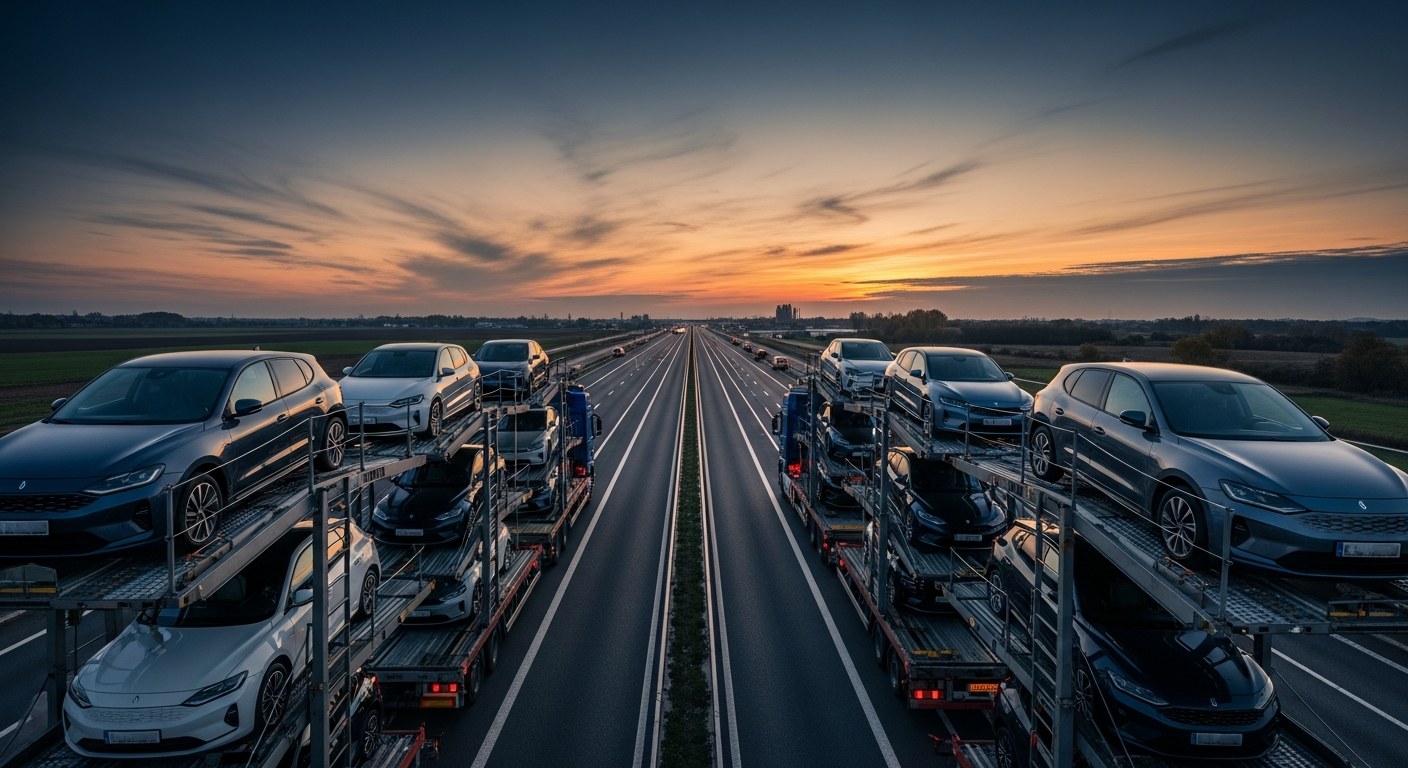
China Lets Its EV Makers Go Rogue on EU Tariffs
Beijing shifted its stance on 12 February 2026, allowing Chinese EV makers to negotiate individual tariff deals with Brussels. That sounds like pragmatism. For European founders, operators, and investors, it is a structural threat dressed as a concession.
Read story →

Europe Blocked Chinese Lab Partners — Now Founders Must Rebuild Their Research Stack
The EU has barred Chinese organisations from Horizon Europe's most critical technology programmes, covering AI, quantum, semiconductors, and biotech. For European founders and research-backed startups that built co-development pipelines with Chinese institutions, the clock is already running. And a leaked draft of the EU's own Industrial Accelerator Act suggests the domestic safety net may also be shrinking.
Read story →

Jackery Is Already on European Shelves — and Home Energy Startups Missed It
Shenzhen Hello Tech Energy launched its SolarVault 3 modular storage system across Europe in March 2026, exhibited at trade shows in Amsterdam and Lyon, and had already secured a Lidl supply deal before most European competitors registered the threat. With the Netherlands phasing out net metering in 2027, the timing is not accidental.
Read story →

China Let Its EV Makers Go Rogue on EU Tariffs — Beware
Beijing quietly shifted strategy in February 2026, allowing Chinese EV makers to cut individual tariff deals with Brussels. That sounds like a concession. It is not. It is a market penetration tactic — and with Northvolt gone, Europe has no defensive line left.
Read story →
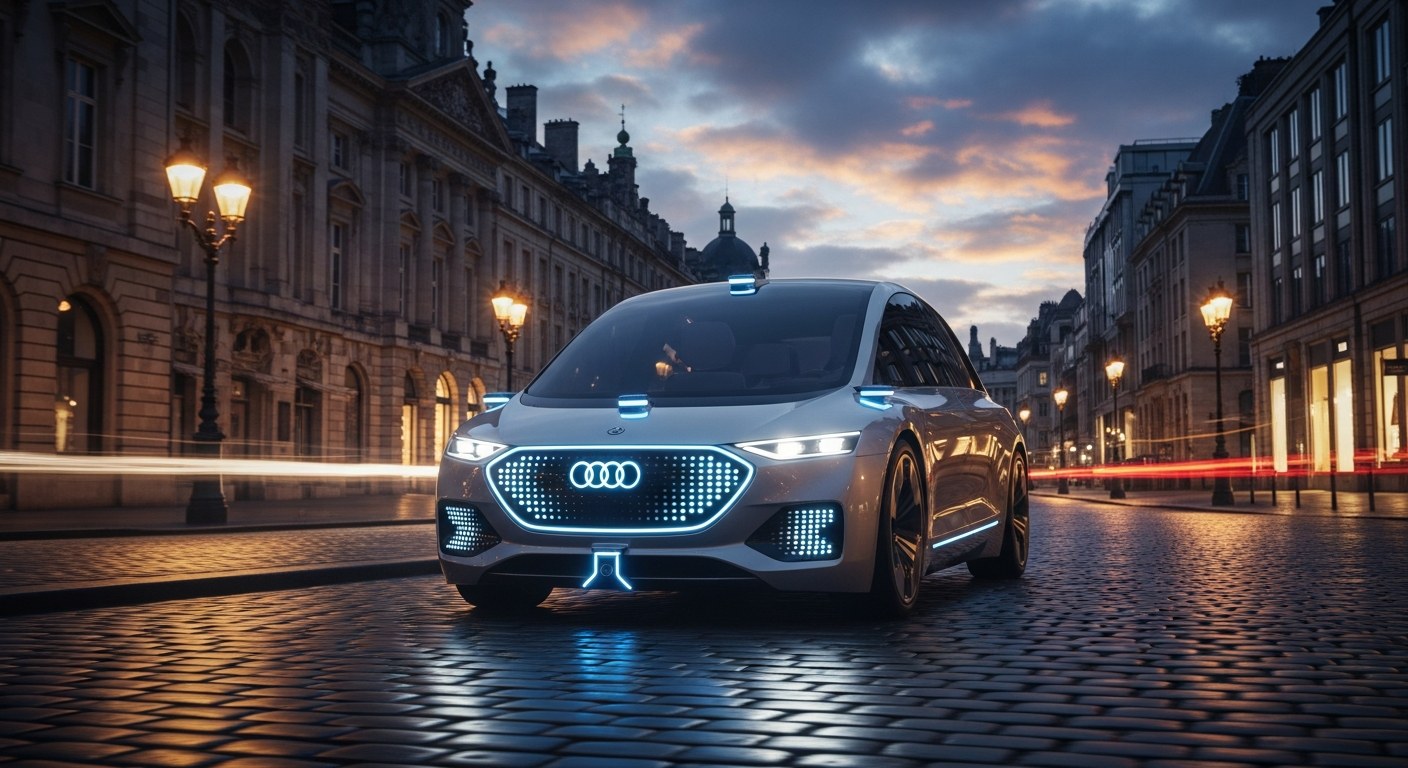
Geely's Robotaxi Arm Is Scaling Fast — European Cities Should Be Paying Attention
CaoCao Mobility, Geely's ride-hailing and robotaxi platform, has crossed into self-sustaining territory and is now executing a structured, multi-phase plan toward full autonomy. With 195 cities covered in China, a new Abu Dhabi beachhead, and Geely's existing European infrastructure, CaoCao is no longer a domestic experiment — it is a global mobility contender on a credible timeline.
Read story →
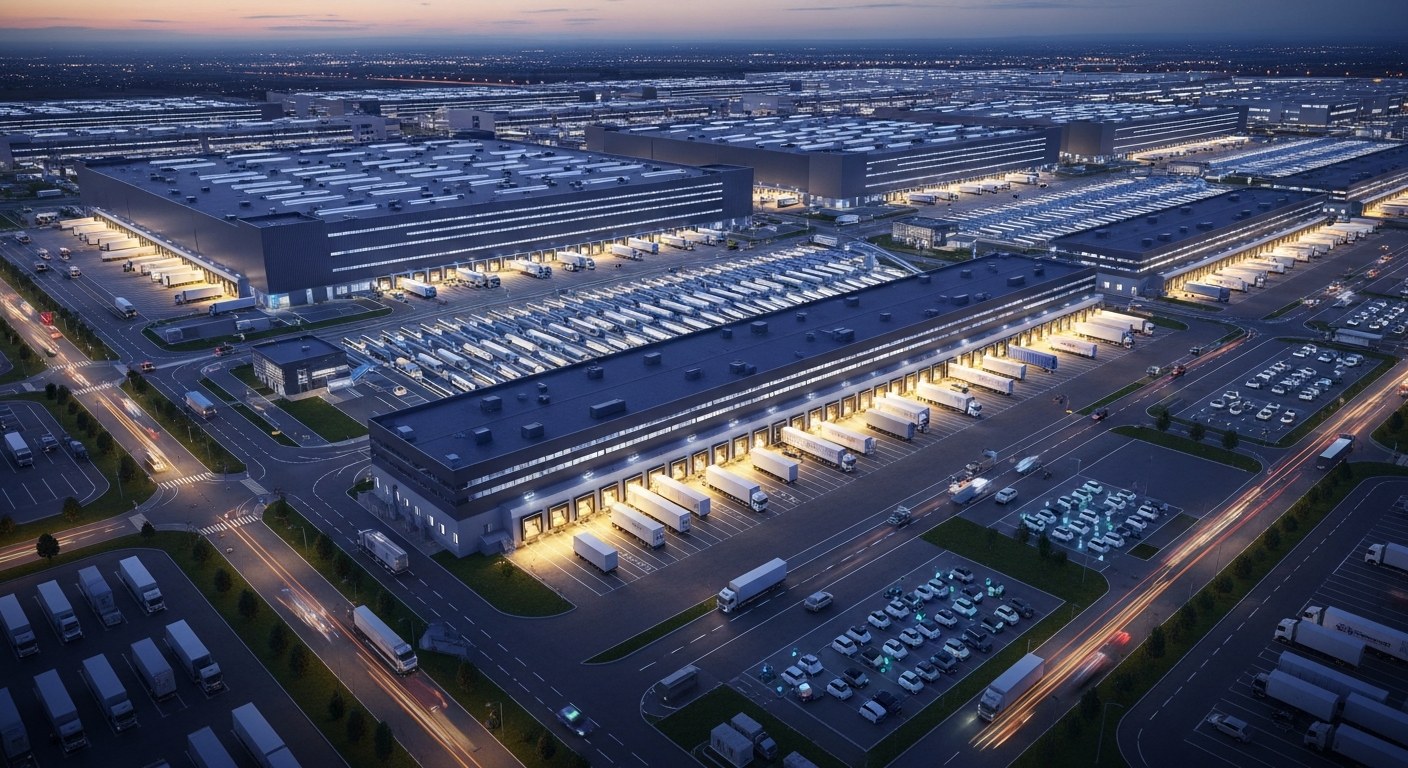
JD.com Is Copying Amazon's Playbook in Europe — With Chinese Scale
Joybuy launched across six European markets on March 16, 2026, topped iOS shopping charts within two days, and arrived with more than sixty local warehouses already in place. This is not Temu. JD.com is building the kind of logistics infrastructure that takes incumbents years to dismantle — and European retailers and investors need to understand what that means right now.
Read story →

The Ex-Segway Team Building a Smart ATV Europe Isn't Ready For
A Chinese hardware team with Segway pedigree is building a software-rich electric ATV — and Hillhouse-tier capital is lining up behind it. Europe's off-road market is growing fast, electrifying faster, and largely unprepared for what's coming down the trail.
Read story →

2,000 Chinese Workers Are Building the Gigafactory EU Rules Are Meant to Protect
Brussels proposed its Industrial Accelerator Act on 4 March 2026, requiring at least 50% EU workers for strategic investments. In Figueruelas, Spain, 2,000 Chinese workers are already on-site building a €4.1bn ($4.8bn) CATL-Stellantis battery gigafactory — with more than €300m in EU funding behind it. The dependency Europe is debating in policy papers is already being poured into concrete in Aragon.
Read story →
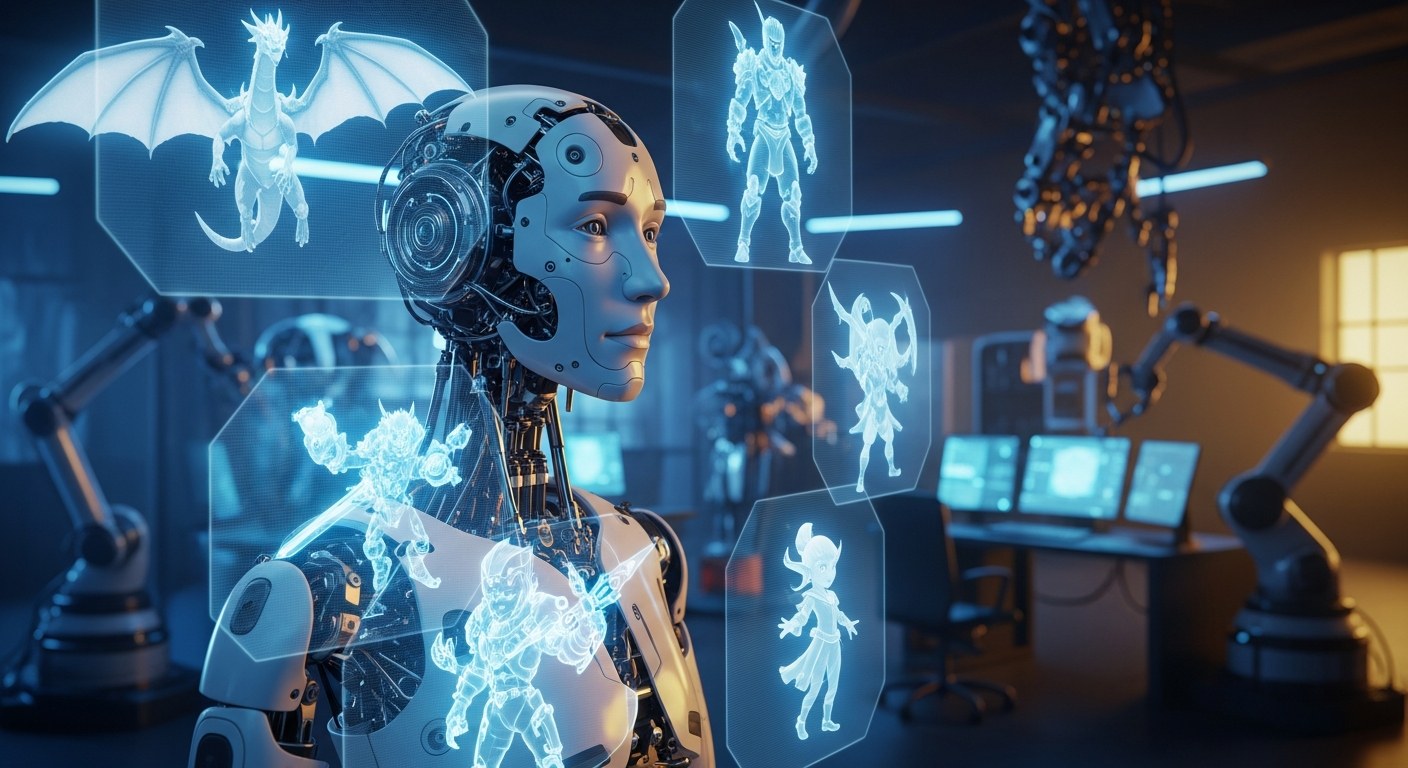
Papergames Is Physicalizing Its Gaming IPs — European Character Franchises Face a New Front
Chinese gaming firm Papergames has begun recruiting for AI robotics roles, signalling its intent to turn beloved virtual companions from its hit titles into physical, emotionally responsive robots. For European gaming and entertainment IP holders, this isn't a distant curiosity — it's a preview of what vertically integrated IP-to-hardware pipelines look like when they reach your market. The window to respond is narrowing.
Read story →

China Just Commoditised the LiDAR Chip Europe Thought It Owned
A Chinese photonics firm has won VCSEL development contracts from two overseas-listed LiDAR companies — and Europe's sensor stack now has a cost problem it didn't budget for. The VCSEL market is racing toward USD 5.84 billion by 2030, and European incumbents are about to find out whether they built moats or just margins.
Read story →

TikTok Is Building a Studio — European Streamers Must Act Now
TikTok has launched its own microdrama app, PineDrama, entering a global short-form drama market that hit $11 billion in 2025 and is expected to reach $14 billion in 2026. European streamers and short-form founders are caught between a newly emboldened platform and regulators already charging TikTok with breaching EU content rules. The window to build a competing format and distribution pipeline is open — but not for long.
Read story →
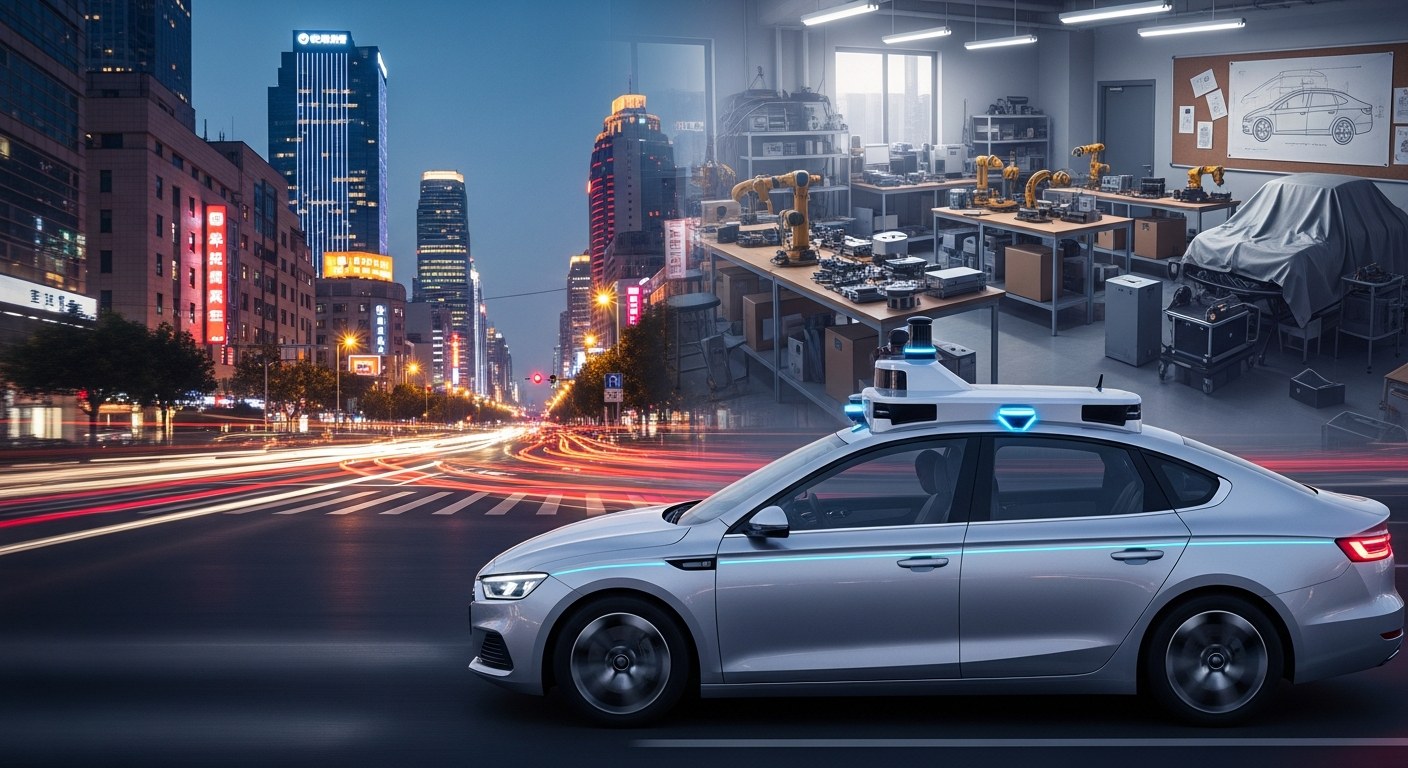
XPeng Made Robotaxi a Real Business Unit — European OEMs Still Haven't
XPeng just elevated its Robotaxi operation into a first-level corporate division, with pilot passenger services targeted for the second half of 2026. European OEMs are still running autonomy as a lab experiment. The organisational gap is now as dangerous as the technology gap.
Read story →

ByteDance's Deer-Flow 2.0 Went Viral on GitHub — European AI Founders Must Choose Sides
ByteDance's Deer-Flow 2.0 garnered 35.3k GitHub stars and topped the Trending chart within 24 hours of release. For European AI founders building agent-native products under EU AI Act pressure, that number is not just a vanity metric — it is a signal that Chinese open-source infrastructure is becoming the default stack. The question is no longer whether to use it, but whether you can afford not to, and what it costs you if you do.
Read story →
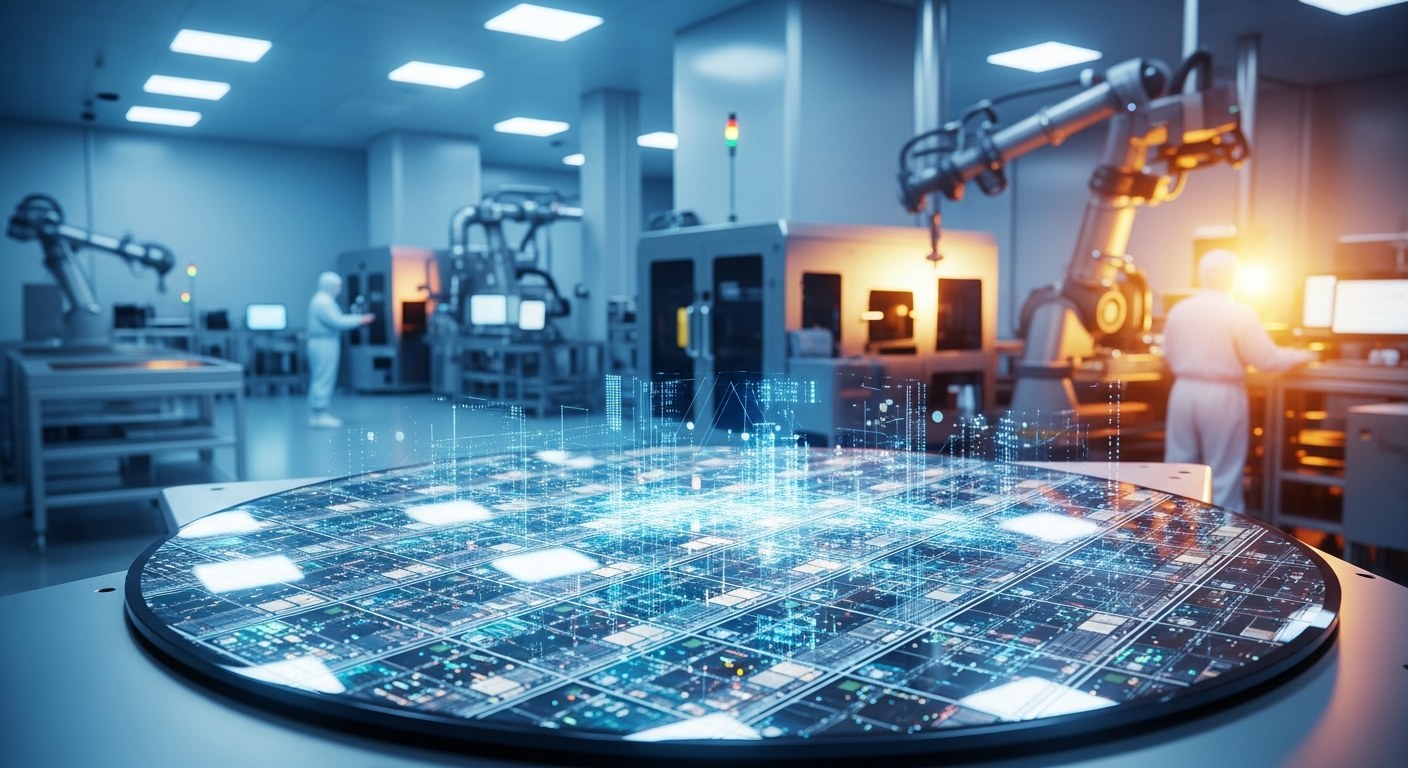
Alibaba's RISC-V Chip Breaks Records — Europe's Sovereignty Plan Just Got Harder
Alibaba DAMO Academy's XuanTie C950 just became the highest-performing RISC-V CPU ever benchmarked — and it runs billion-parameter LLMs natively on a 5nm chip. For European founders and policymakers betting on open-architecture silicon as a path away from US dependency, this changes the calculus entirely.
Read story →

Accio Work Builds a Store in 30 Minutes — Europe's E-Commerce Stack Can't
Alibaba International has launched Accio Work, an AI agent that claims to take a merchant from idea to live online store in under 30 minutes. It handles sourcing, store design, supplier matching, and ad placement autonomously — no plugins, no developers, no stitched-together SaaS stack required. European founders and investors in commerce infrastructure need to understand what this actually is, because it isn't just a product launch.
Read story →

Alibaba's Open-Standard AI Chip Exposes the Blind Spot in Europe's China Sanctions
Alibaba's DAMO Academy has built a 5nm RISC-V CPU that runs DeepSeek V3 at record single-core performance — and it was built entirely on an open standard that no one can sanction. European policymakers designed chip controls around proprietary architectures. That strategy just met its stress test.
Read story →

Beijing Strengthened Alipay and WeChat Pay — Europe's Payment Operators Must Respond Now
Beijing's January 2026 reclassification of the digital yuan as an interest-bearing deposit was supposed to challenge China's fintech giants. Instead, it handed them a cleaner runway. Europe's payment operators, sitting on a market estimated at USD 45.97 billion in 2026, are now competing against platforms that are larger, more legitimate, and more internationally ambitious than at any point in their history.
Read story →

WeChat Is Now an AI Agent Platform — Europe Has No Floor to Stand On
Tencent's ClawBot launch didn't just add a feature to WeChat — it turned a billion-user super-app into an AI agent distribution network overnight. European AI agent startups are building the same technology, but without any equivalent platform beneath them. The gap isn't just technical. It's structural.
Read story →

ByteDance Sold Its $6B Gaming Crown — European Investors Should Follow the Money
ByteDance has divested Moonton, developer of Mobile Legends: Bang Bang, to Saudi Arabia's sovereign wealth fund for more than $6 billion. The move isn't just a Chinese corporate restructuring story — it's a capital reallocation signal that points directly at AI infrastructure, and it should inform how European investors think about where the next wave of competitive pressure is coming from.
Read story →
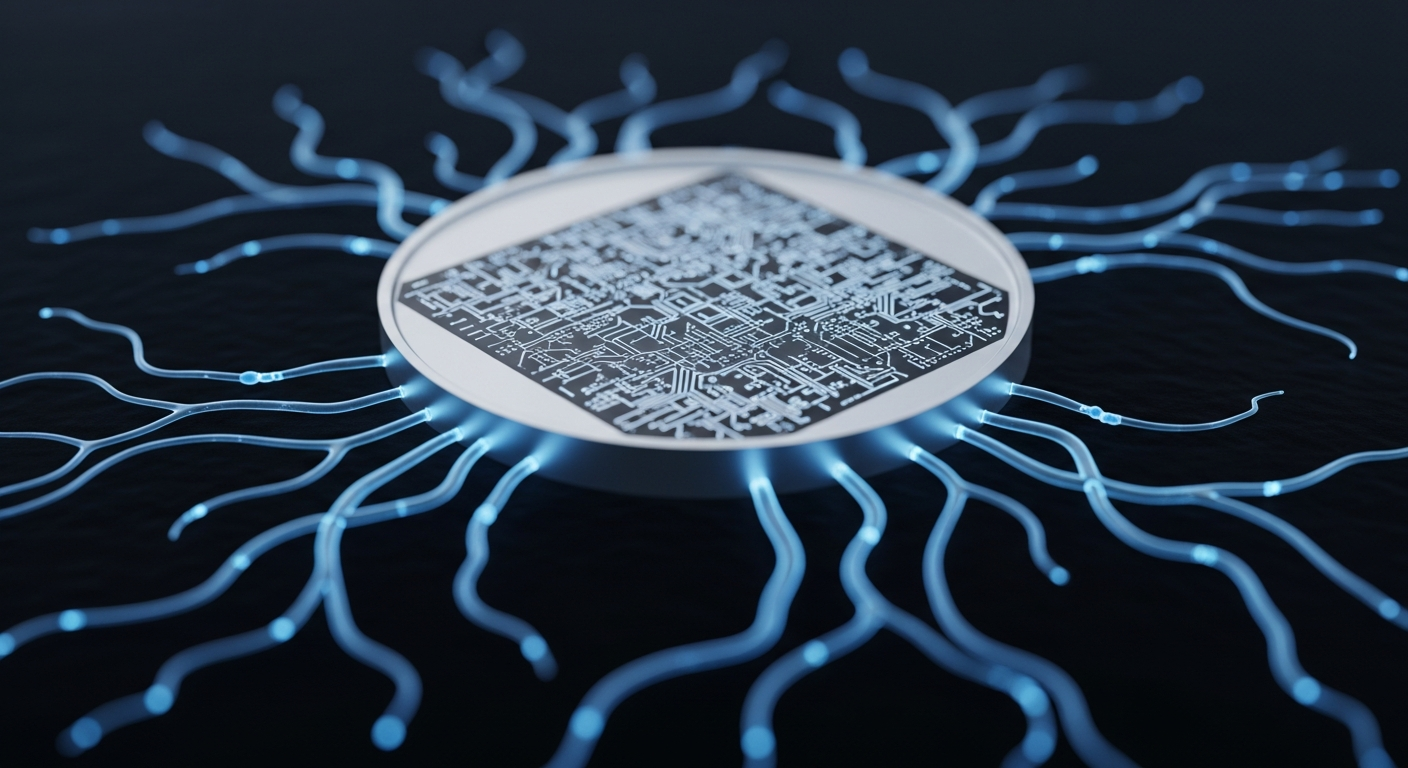
China Just Beat Everyone to the Brain Chip Market — Europe Isn't Even in the Race
China approved the world's first commercial brain-computer interface device in March 2026. The NEO implant by Neuracle Medical Technology is now available for paralysis patients. No European or US equivalent exists. Here's what the regulatory speed gap means for European neurotech founders and medtech investors.
Read story →
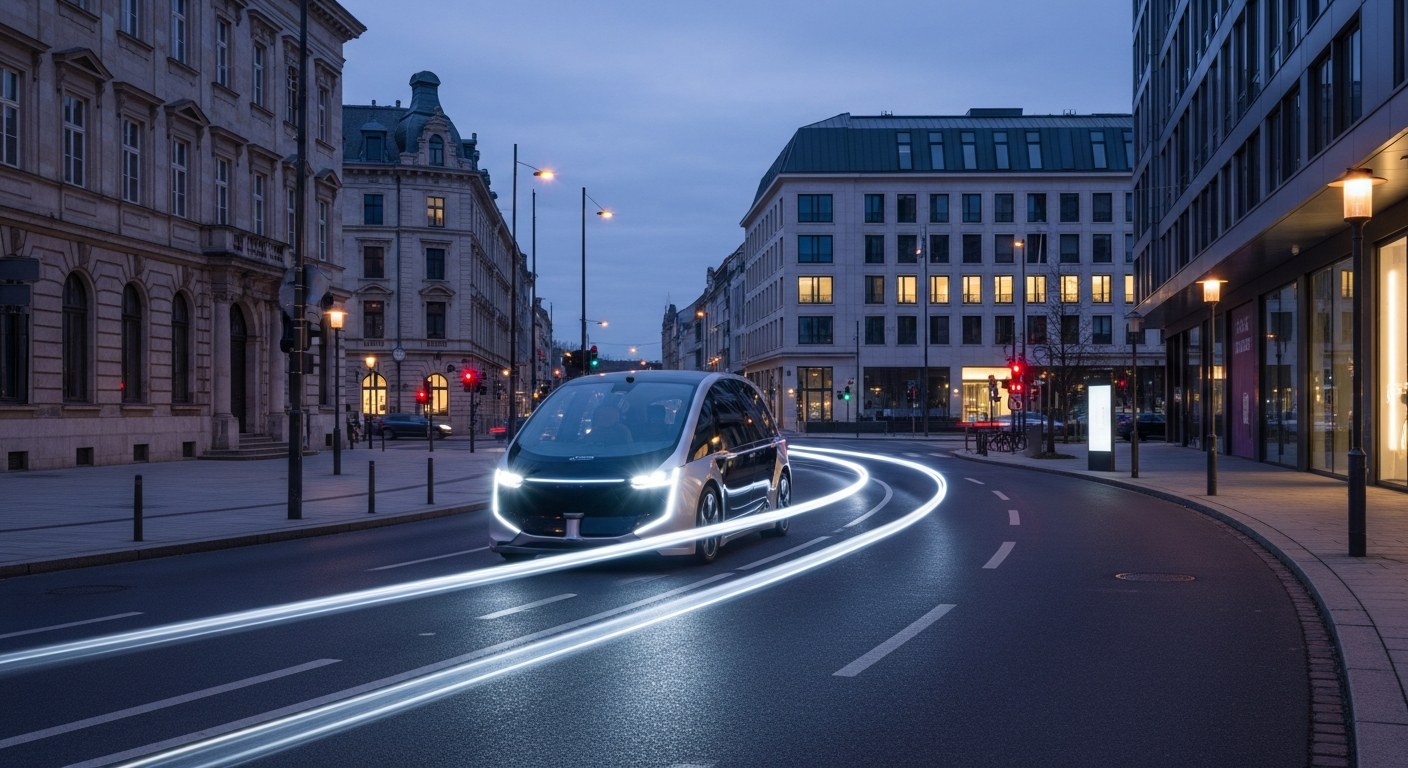
WeRide Is in Slovakia Now — European Mobility Operators Must Decide Whose Terms They Accept
WeRide has launched Slovakia's first national autonomous driving programme in partnership with Elevate Slovakia, making it the company's 12th country of operation. Robotaxis, robobuses, and robovans are all coming — starting in Bratislava, then Košice and the High Tatras. European operators who wait for a European alternative may find there is none left to wait for.
Read story →
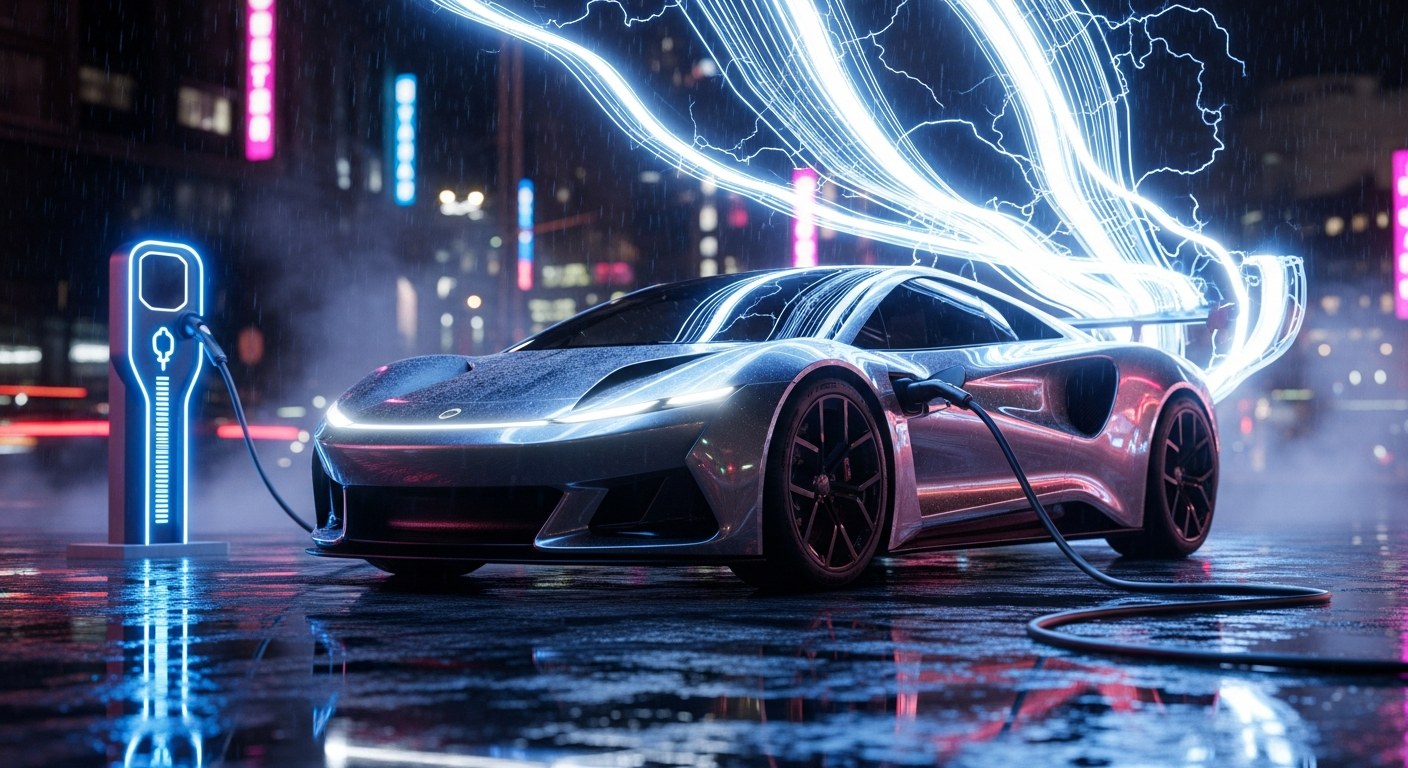
BYD Charges in Five Minutes — European Premium EVs Have No Answer
BYD's Denza Z9GT is scheduled to debut in Paris on 8 April with Flash Charging at up to 1,500 kW — enough to take a battery from 10% to 70% in five minutes. At the same moment, the EU's Industrial Accelerator Act is forcing European OEMs to meet demanding local-content thresholds that their own battery supply chains cannot yet satisfy. The spec war has moved to charging speed, and Europe is starting from behind.
Read story →

China's Biotech Licensing Fees Just Doubled — Europe's Discount Window Is Shut
European pharma spent years quietly sourcing pipeline assets from Chinese biotechs at bargain prices. That era is over. Average upfront licensing fees have more than tripled since 2022, China now supplies nearly a third of the global drug pipeline, and the competition for access has gone global. Here is what European founders and investors need to understand — and do — before the next deal cycle begins.
Read story →

Tencent's 33% International Gaming Surge Runs Through European Studios
Tencent's international games revenues hit RMB 77.4 billion (~$10.84 billion) in 2025, up 33% year-on-year — and a significant share of that growth was built on European-headquartered IP. As the Trump administration debates forcing Tencent to divest its Epic Games stake, European regulators and founders face a question Washington is only beginning to ask: who really owns the infrastructure of play?
Read story →
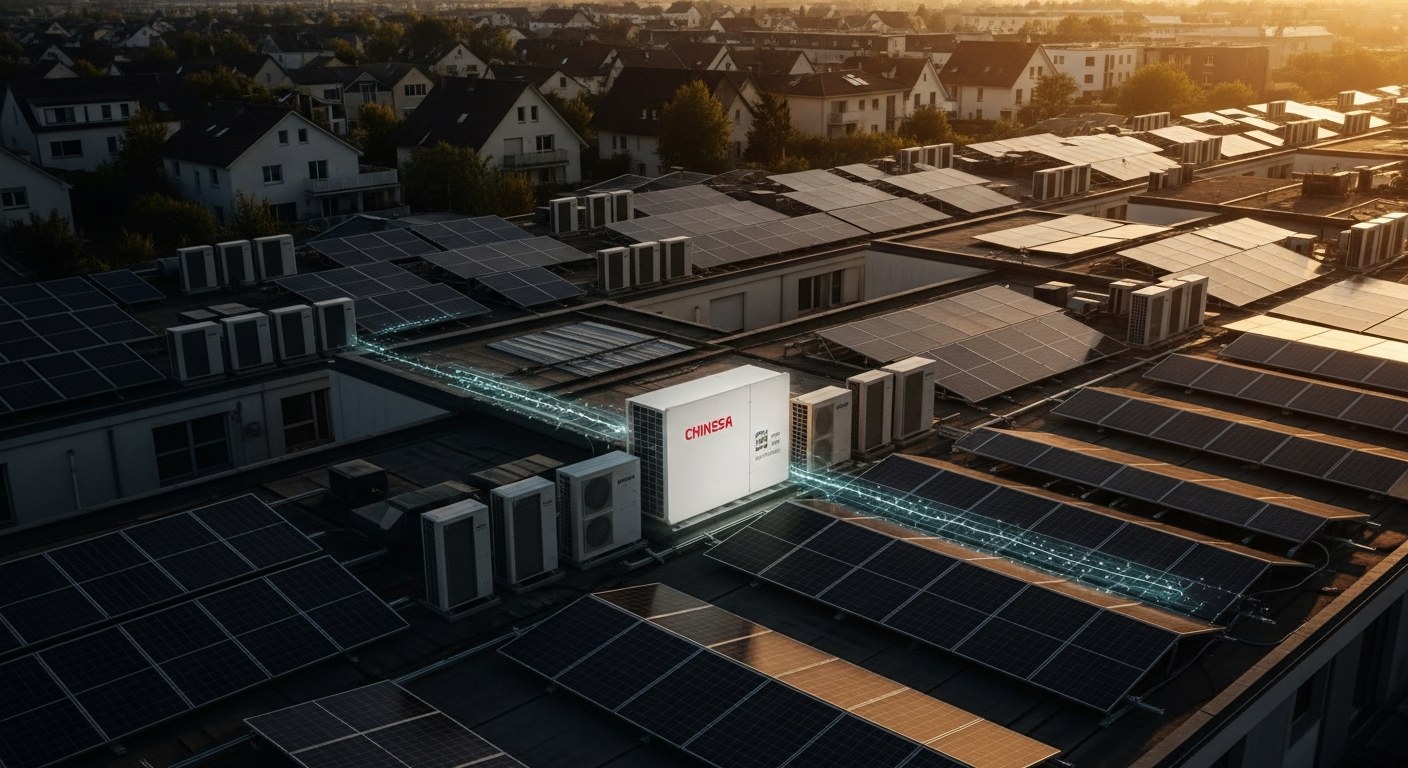
Renogy Spent 16 Years Owning Europe's Energy Market — Why Didn't You?
Europe's energy storage market is on its way from USD 33.43 billion to USD 75.91 billion by 2034, and Chinese brands are already collecting the consumer layer. Renogy's quiet 16-year European expansion is not a curiosity — it is a strategic blueprint that European founders failed to write first. Here is what that gap costs, and what to do about it now.
Read story →
China Is Writing the Solid-State Battery Rulebook — European OEMs Will Have to Sign It
China's National Automotive Standardization Technical Committee is on track to publish the world's first national solid-state battery standard in July 2026. It will set definitions, classifications, and technical thresholds that every automaker selling into a China-influenced supply chain will have to meet. European founders and investors who ignore this are not watching a foreign policy story — they are watching their product roadmap get written for them.
Read story →
SynapX Raised $50M Before It Had a Product — Europe Should Be Alarmed
A Chinese embodied AI startup closed a nearly $50 million seed round within two months of founding — with no product, only a thesis and a team. For European deep-tech investors still waiting for traction before writing large cheques, this is not an anomaly. It is a structural signal.
Read story →
Chinese Automakers Found Europe's Backdoor — PHEVs Are Already on the Forecourt
While Brussels spent months debating EV tariffs, Chinese automakers quietly nearly doubled their European market share to 8% in February 2026 — largely by selling plug-in hybrids that sidestep the regulatory framework designed to stop them. The tariff debate is, in a meaningful sense, already behind the curve. European founders and investors in mobility need to understand what that gap means — and move faster than the policy does.
Read story →

China's Five-Year Plan Is a Procurement Roadmap — Read It That Way
China's 15th Five-Year Plan is not just a policy document — it is a 141-page, state-backed technology investment thesis covering AI, quantum, robotics, 6G, and brain-machine interfaces across 109 major projects. As leaked EU drafts suggest Europe is quietly de-prioritising the same technology categories, European founders and investors face a pointed strategic choice: treat China's plan as a threat report, or read it as the most detailed demand signal in global deep tech.
Read story →

LABUBU Goes Hollywood: What European IP Owners Must Learn Now
Pop Mart has signed with Sony Pictures to develop a live-action LABUBU film directed by Paul King — the British director behind Paddington and Wonka. This isn't a licensing deal or a soft cultural test. It's a full-stack IP play that bypasses every stage European entertainment companies assumed would slow Chinese consumer brands down.
Read story →

China's Digital Yuan Failed. Europe's Digital Euro Team Should Read the Autopsy.
China ran the world's largest CBDC trial, with years of pilots, state backing, and a billion-user payments market to learn from — and still couldn't get ordinary people to use the digital yuan. Now the People's Bank of China is resorting to interest payments to nudge adoption. With EU lawmakers potentially adopting digital euro legislation in 2026 and issuance not expected before 2029, European policymakers have a rare gift: someone else's failure, in forensic detail, before they make the same mistakes.
Read story →

QClaw Skipped the App Store — European AI Agent Founders Should Too
Tencent didn't ask users to download anything. It put QClaw inside WeChat and QQ and reached hundreds of millions of people overnight. For European founders building AI agents and defaulting to App Store or Google Play, that's not just a tactical difference — it's a strategic one that will determine who wins the $52 billion agent market.
Read story →
Horizon Robotics Hit $546M in 2025 — European OEMs Are Next
Horizon Robotics just posted $546 million in revenue and shipped over 4 million ADAS chipsets in 2025. It already has a European operation. The question for Mobileye, Infineon, and every European OEM procurement team is no longer whether Horizon is coming — it's whether they're ready.
Read story →

China Shipped the 10-Second Health Check Europe's Founders Are Still Prototyping
Feipu Tech's non-invasive AI health robot does in seconds what European digital health startups have spent years attempting to build. The technology architecture is proven. The consumer demand is real. The only thing standing between European operators and this market is a regulatory framework that treats a facial scan the same way it treats a surgical device.
Read story →

Alipay and WeChat Pay Are Coming for Europe — Your Checkout Is the Battleground
China's state digital currency just became irrelevant to the cross-border payments race. With the PBOC declaring 'no difference' between the e-CNY and funds on private platforms, Alipay and WeChat Pay are free to accelerate their European expansion without Beijing getting in the way. European founders and merchants who aren't paying attention are about to lose the counter.
Read story →
China's Robot Production Surge Is a Sales Story, Not a Factory Story
China produced 143,608 industrial robots in just the first two months of 2026 — a 31 percent year-over-year jump that accelerated beyond even last year's breakneck pace. European founders and investors reading this as a story about Chinese factories getting more efficient are missing the real threat: China is building the capacity to sell the world its next robot fleet. Here is what that means for anyone operating in European automation, manufacturing, or industrial technology.
Read story →

Alibaba Cloud's 36% Jump Is a Dominance Signal European Enterprises Are Misreading
European CIOs still categorise Alibaba Cloud as a regional Chinese player. The December quarter numbers — and what sits beneath them — suggest that framing is becoming dangerously outdated. Here is what the data actually signals, and what European enterprises and investors should do about it.
Read story →

Xiaomi's 8th-Ranked AI Model Exposes Europe's OEM Blind Spot
Xiaomi just confirmed it built a frontier-level foundation model in-house — ranked 8th globally — completing a vertical AI stack that runs from hardware ambitions through operating system to model layer. No European OEM is close to this. The strategic exposure for European carriers, device makers, and AI infrastructure investors is real and growing fast.
Read story →
Sigenergy's IPO Filing Is the Energy Storage Signal European Grid Operators Missed
A Huawei alumni-founded company with RMB 5.64 billion in nine-month revenue just filed for a Hong Kong IPO — and it's already the No. 1 energy storage brand in Ireland. European utilities and distributed-energy investors have been sleeping on this one.
Read story →
DJI's Perception DNA Is Now Inside Your OEM's Supply Chain
ZYT, the autonomous-driving spinout born inside DJI, is raising $280 million at a $1.74 billion valuation and targeting a Hong Kong IPO. European OEMs rationalising their ADAS supply chains should treat this as a direct competitive signal — not a distant China story.
Read story →

Alibaba Cloud's 34% Hike Just Closed Your Cheap GPU Arbitrage Window
European AI builders who routed workloads to Alibaba Cloud to undercut AWS and Azure pricing just lost their most compelling argument for doing so. Alibaba Cloud raised AI computing and storage prices by up to 34% on March 18, citing surging demand and supply chain costs. The strategic calculus for using Chinese cloud infrastructure now looks fundamentally different.
Read story →
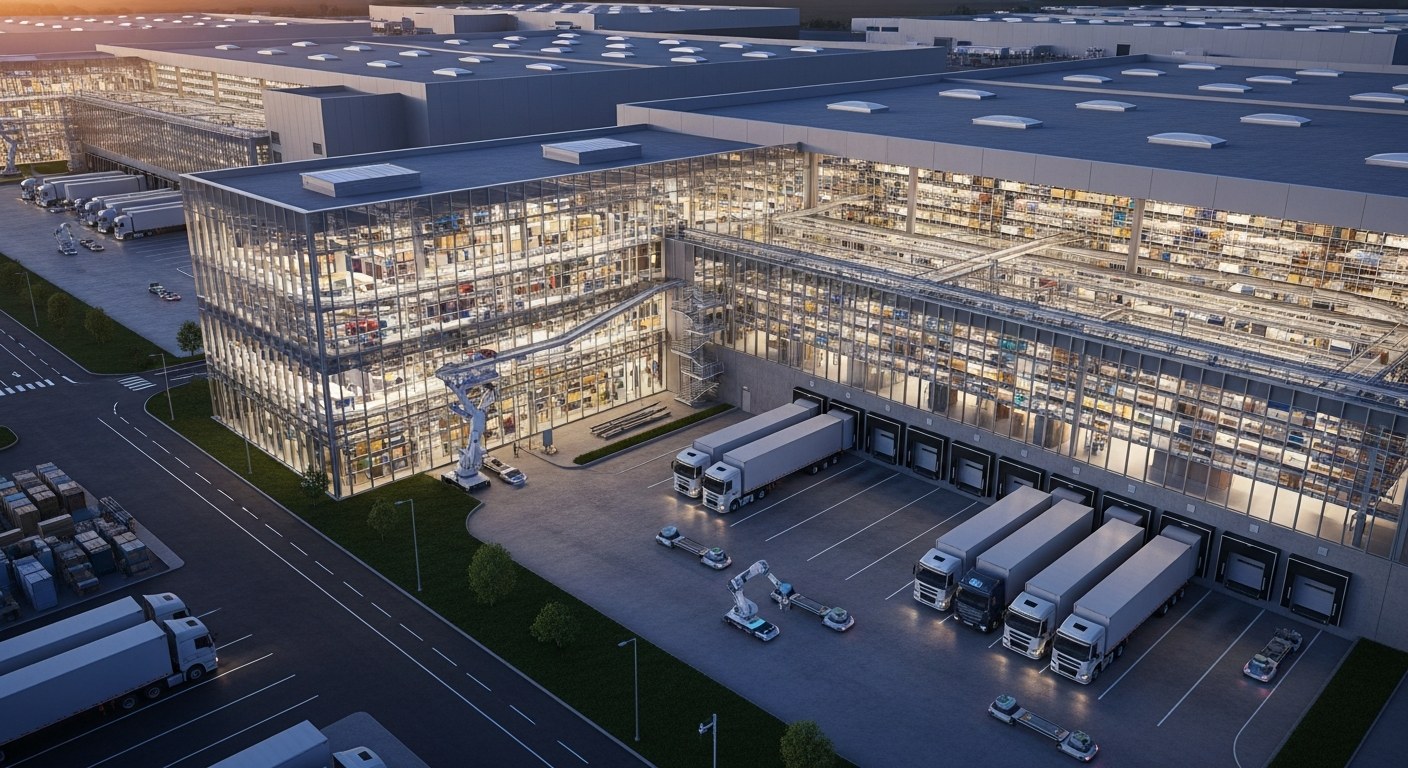
JD.com's Joybuy Is in Europe — and It's Targeting Amazon, Not Temu
JD.com launched Joybuy across six European markets on March 17, promising same-day delivery from local warehouses to more than 15 million households. This is not a race to the bottom on price — it is a direct assault on the fulfilment infrastructure that Amazon spent a decade building. European retailers, logistics operators, and investors need a different playbook to respond.
Read story →

Alibaba Rewired Itself Around Tokens — European Enterprises Should Pay Attention
Alibaba didn't just reorganise its AI teams. It reoriented its entire business logic around a new unit that controls everything from foundation models to enterprise AI agents. The Wukong B2B platform is already shipping. European founders building on or competing with Chinese AI infrastructure need to understand what this restructuring actually means.
Read story →

ByteDance Blinked on Copyright — Now Europe Must Set the Rules
ByteDance suspended the global rollout of Seedance 2.0 after Hollywood studios sent cease-and-desist letters over alleged use of pirated copyrighted content. The episode landed just days after the European Parliament passed a landmark resolution demanding a licensing regime and training-data register for generative AI. European creative industries have a narrow window to act — before American lawsuits and Chinese platform defaults write the rules for them.
Read story →

Ex-Huawei Engineers Are Targeting Europe's AI Data Centre Power Gap
Matrix Power, a Shanghai-based startup founded by the architect of Huawei's OCP data centre power systems for Google and Meta, has closed a Series A round and is moving toward North American and international markets. With European utilities expected to sharply increase capital expenditure to meet AI data centre power demand in 2026, and Brussels tightening scrutiny of Chinese ICT supply chains, European operators face a dilemma that won't resolve itself quietly.
Read story →
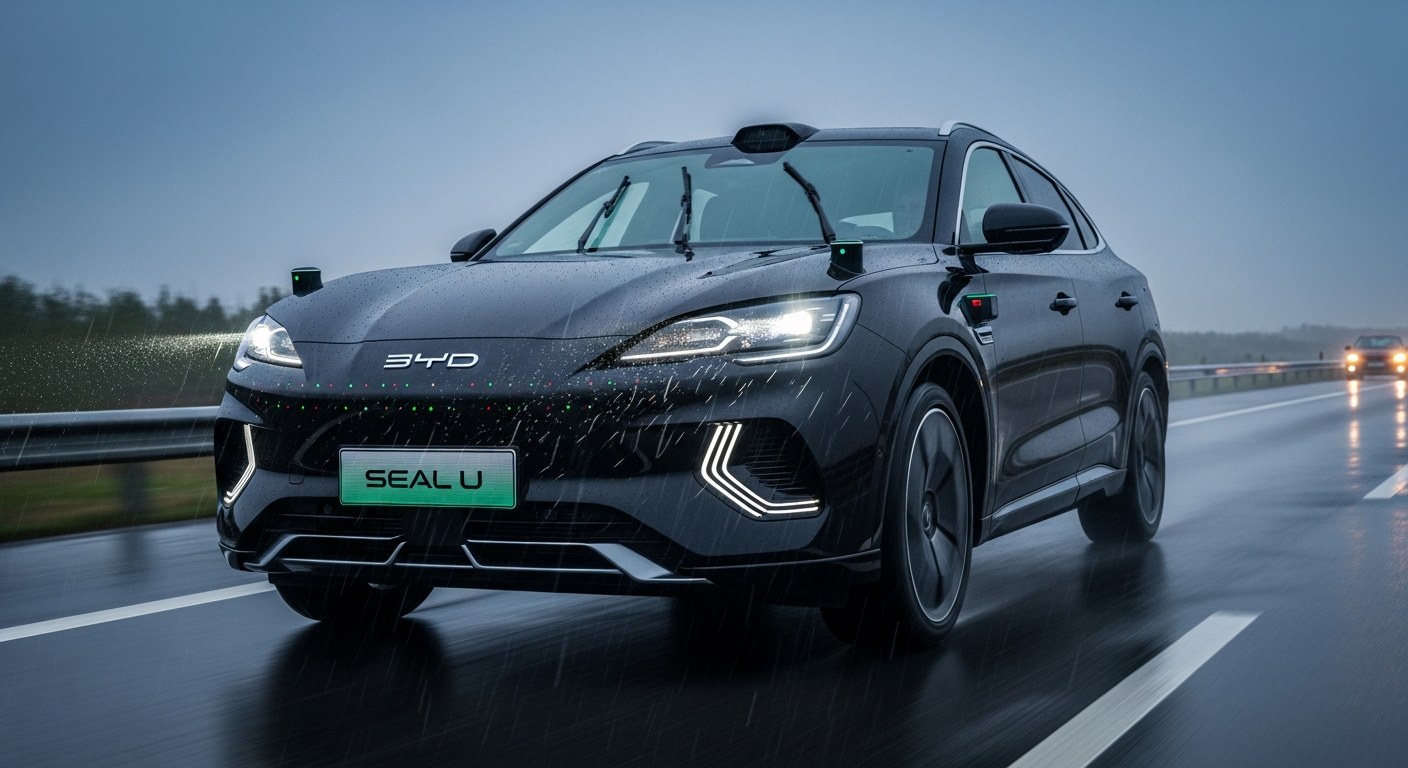
China's Smart-Driving Stack Is Lapping Tesla — Europe's OEMs Are Next
VOYAH is about to deliver China's first mass-produced Level 3 SUV powered by Huawei's Qiankun ADS 4. Tesla still doesn't have regulatory approval in China or Europe. European OEMs are caught in the middle — and the gap is widening faster than most boardrooms have acknowledged.
Read story →
China Made Robotics a State Religion. Europe Is Still Praying to the Market.
China's 15th Five-Year Plan enshrines robotics and 'embodied intelligence' as core national strategic pillars — codifying what the numbers already show: 54% of global robot installations and over 2 million operational units. Europe's policy response, anchored by a €174 million EU work programme and falling installation numbers, looks structurally mismatched. This is no longer a commercial competition that market forces can correct.
Read story →

Brussels Closed the Lab Door on China — But Half of Europe Didn't
The EU's exclusion of Chinese institutions from Horizon Europe's most sensitive programmes marks a new front in tech decoupling — one operating at the R&D layer, not just the market layer. But enforcement is uneven across member states, and Huawei is still inside 16 Horizon projects. For European deep-tech founders, that asymmetry is not an abstraction — it is a compliance and geopolitical liability hiding inside their research pipelines.
Read story →
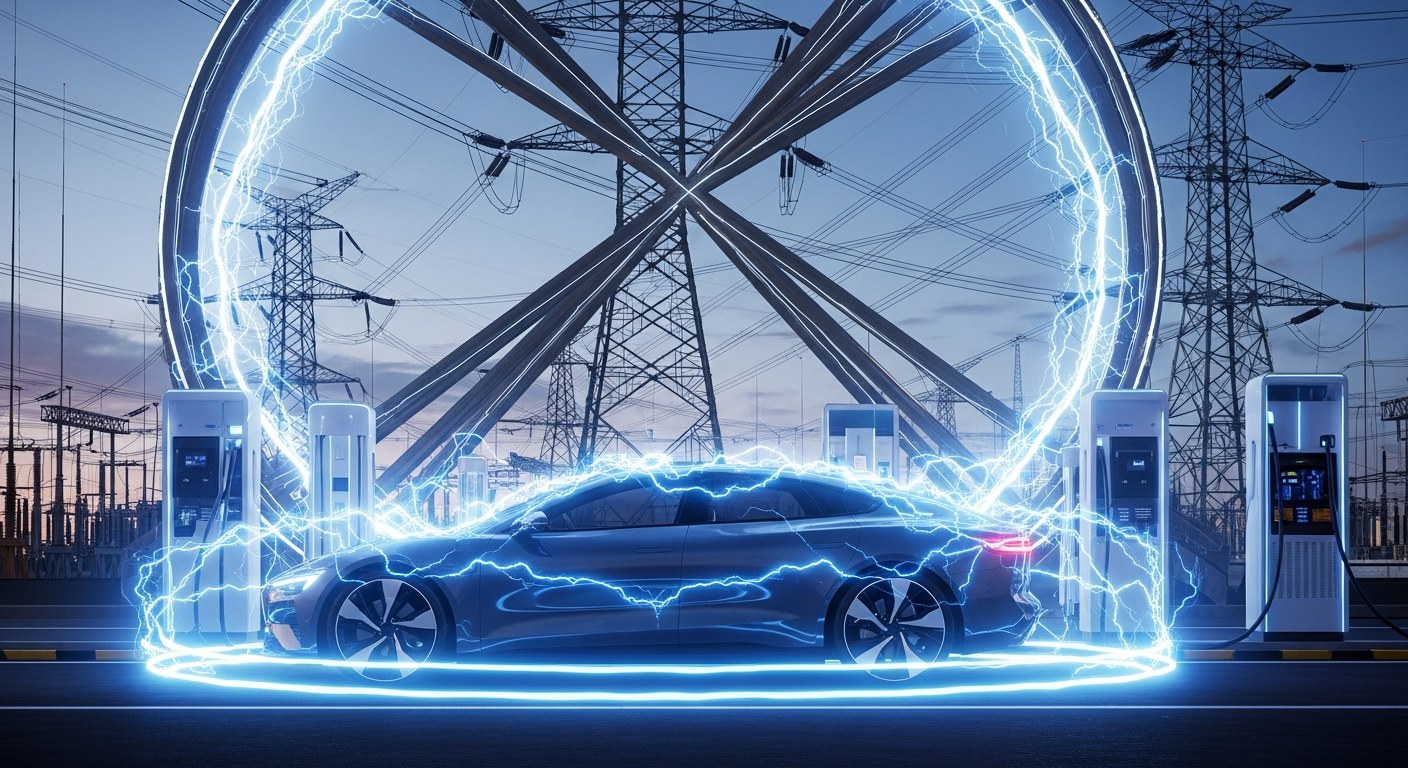
BYD's 9-Minute Charge Is Coming to Europe — and Your Grid Can't Handle It
BYD is bringing 1,500 kW Flash Charging technology to Europe in April 2026. The charging infrastructure doesn't exist to support it. That gap is not BYD's problem — it's Europe's.
Read story →

China Built an AI Agent Ecosystem in Weeks — Europe Is Still Debating Frameworks
Baidu, Tencent, and state supercomputing infrastructure have all shipped OpenClaw-compatible products within days of each other. China has compressed the journey from protocol to ecosystem into weeks. European founders are still choosing sides.
Read story →

China's Appliance Giants Are Already in European Homes — The Robot Butler Phase Is Next
Dreame, Roborock, and Haier are not just selling vacuum cleaners in Europe anymore. They are building the infrastructure for AI-managed homes — and European founders and regulators are running out of time to respond. Here is what the numbers and the hardware from AWE 2026 actually mean for anyone building or investing in the European home tech space.
Read story →
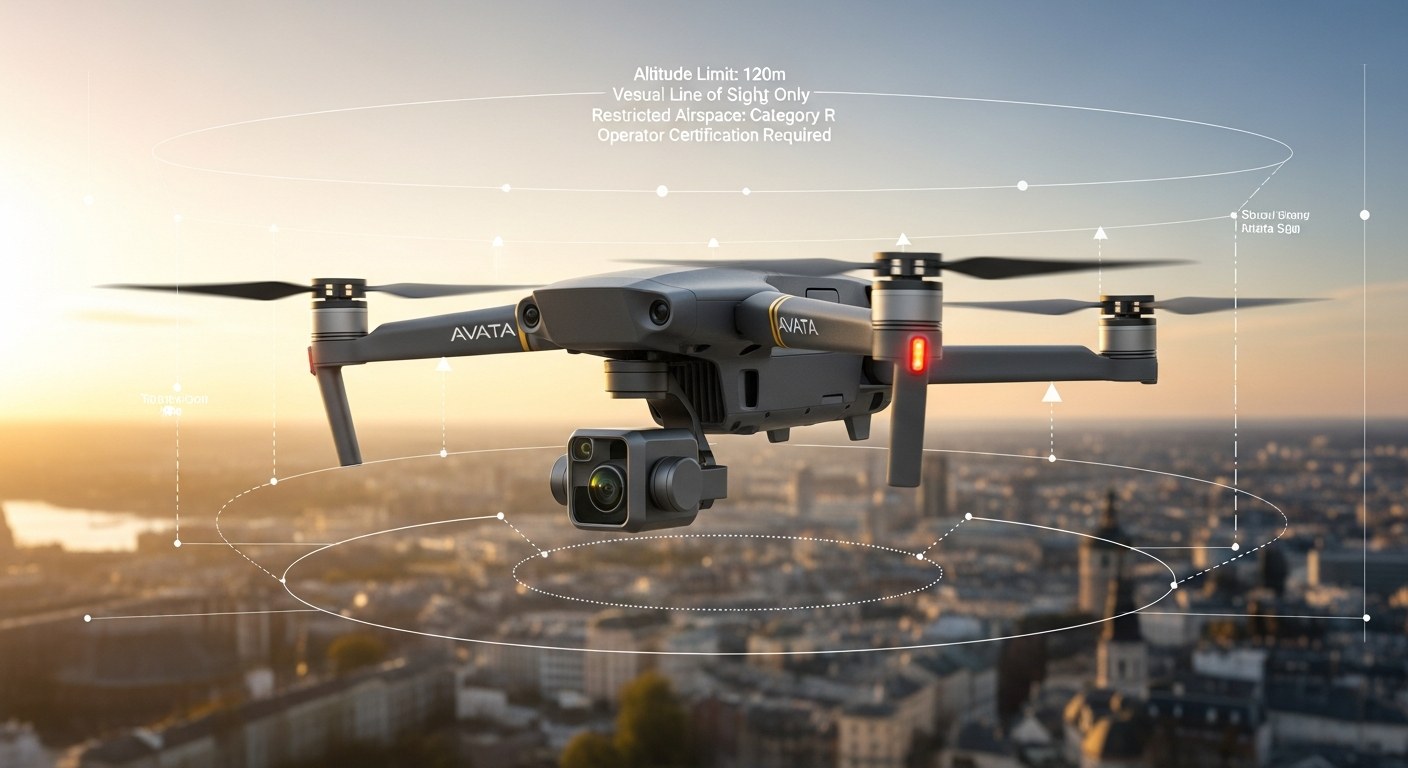
DJI's 8K Drone Hits Europe While Brussels Sharpens Its Rules
DJI launched the Avata 360 in Europe on April 9, 2026 — two weeks after its China debut and straight into a regulatory headwind. The European Commission is targeting Q3 2026 for a new Drone Security Package that would tighten registration and identification rules. For a market worth over USD 17 billion and growing at 13.4% annually, the timing matters.
Read story →

China's Platform Wave Hits Europe Faster Than Regulators Can React
Europe is already Temu's largest market, TikTok Shop just entered France, Germany, and Italy, and Xiaohongshu is building its first overseas offices. The second wave of Chinese platform expansion is broader, faster, and more structurally sophisticated than anything Europe absorbed from Alibaba. The window to respond is compressing.
Read story →

Alibaba and Tencent Just Co-Backed China's Brain-Machine Interface Champion
StairMed's $72.5 million round is the first time both Chinese tech giants have backed the same BCI startup. China already has a commercial brain implant on the market, a national strategy targeting 2027 breakthroughs, and a $165 million state brain science fund. Europe has none of the above.
Read story →
China Owns the Robotics Data Layer. Europe Is Watching.
LightWheel just raised $145 million to become the world's first embodied AI data unicorn. The global physical AI market is heading toward $49.73 billion by 2033. Europe has no comparable play in the foundational layer that will determine which nation's robots learn fastest.
Read story →

Beijing Cut Apple's App Tax. Brussels Is Still Fighting For It.
China's regulators secured a clean 30%-to-25% App Store commission cut from Apple in a matter of quiet talks. The European Commission spent years on legal proceedings, threatened a €500 million fine, and still ended up with a fee structure that added a 5% Core Technology Commission. For European founders and policymakers, the contrast is uncomfortable.
Read story →
Brussels Builds Walls It Cannot Live Behind: Europe's China Paradox
The EU has banned Chinese entities from Horizon Europe and proposed 'Made in EU' content rules for strategic sectors. But analysts warn neither move severs Europe's underlying supply-chain dependence on China. For European founders, the result is a regulatory squeeze that raises costs without delivering strategic autonomy.
Read story →

China's Biotech Auction Has Europe Bidding Against Wall Street
China's out-licensing market hit $137 billion in 2025 and is already on track to double again. European pharma is no longer a passive observer — Novartis and AstraZeneca are writing nine and ten-figure cheques to stay in the game. The question is whether the rest of Europe's life sciences sector is moving fast enough to compete.
Read story →
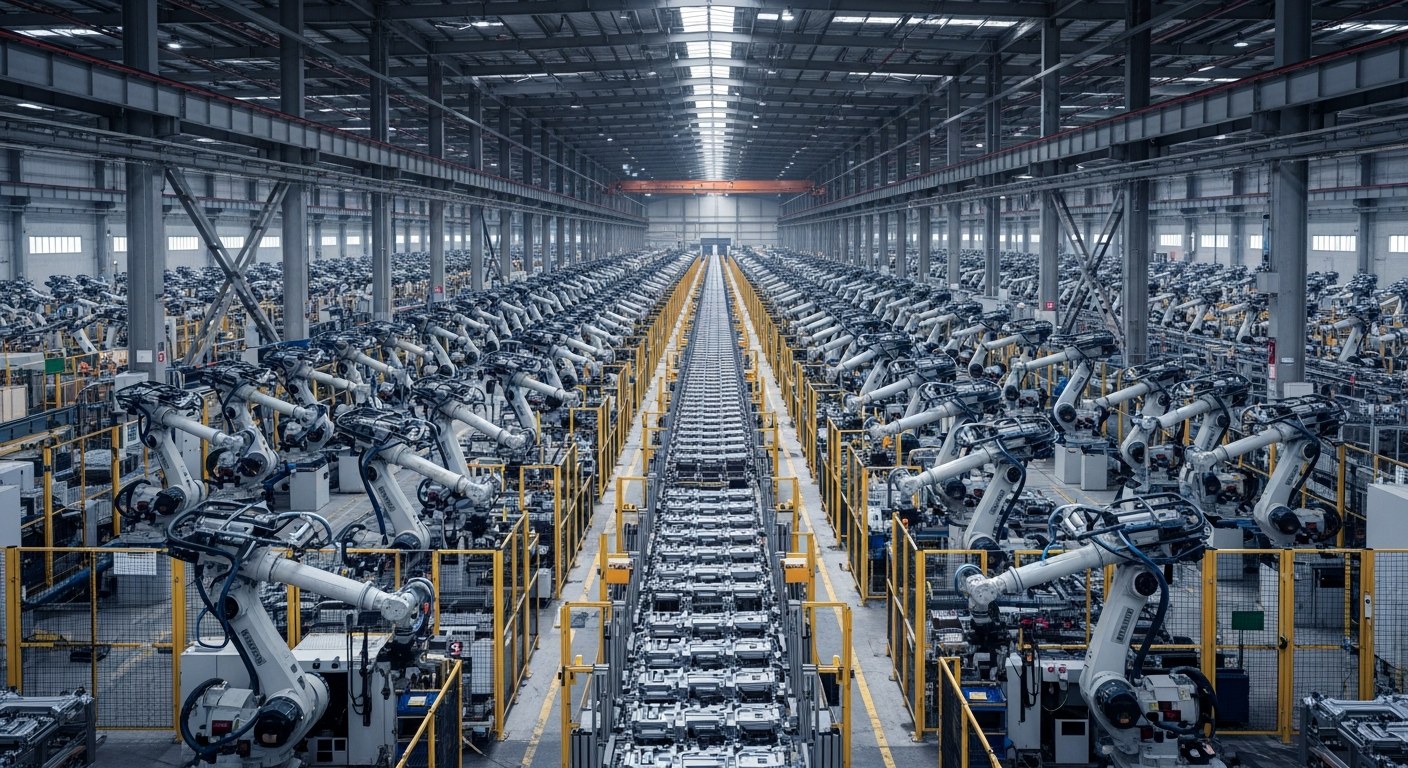
China's Robot State: Why Europe's Factory Gap Is Now Structural
China installed 295,000 industrial robots in 2024 — more than three times Europe's total — and its 15th Five-Year Plan just made robotics a national priority. Europe's 8 percent decline in robot deployments isn't a blip. It's a signal of a productivity gap that is hardening into permanent competitive disadvantage.
Read story →

Brussels Moves on Three Fronts: Europe's China Tech Firewall Takes Shape
Within weeks in early 2026, the EU has simultaneously moved to exclude Chinese institutions from frontier research, mandate removal of Huawei and ZTE from telecom infrastructure, and impose 'Made in EU' content rules on strategic industries. It is the most coordinated defensive tech posture Brussels has ever attempted. The gap between ambition and enforcement, however, remains uncomfortably wide.
Read story →
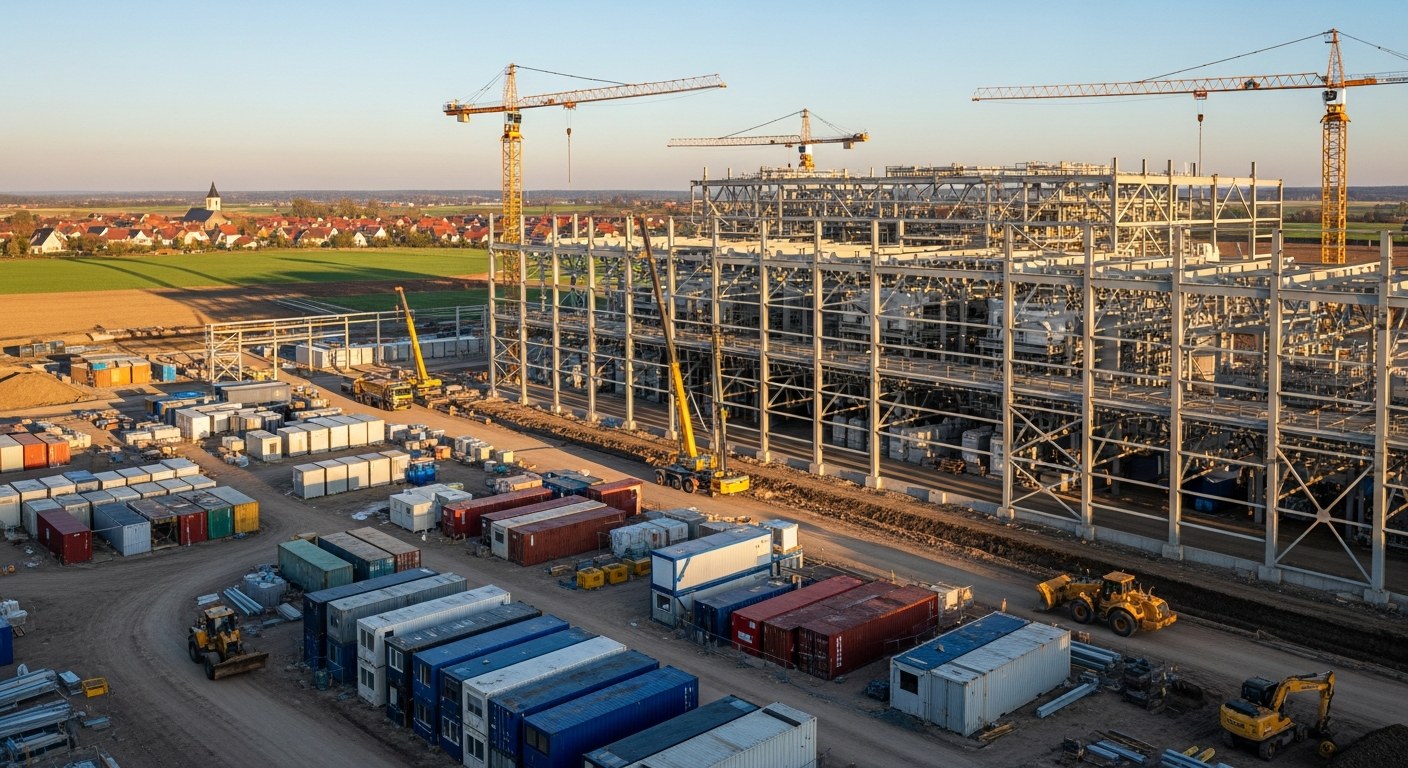
China Is Now Building Europe's Battery Factories, Not Just Supplying Them
Northvolt is bankrupt, its gigafactory assets sold to a US startup. CATL is deploying 2,000 Chinese workers to build a €4 billion plant in a Spanish town of 1,000 people. Europe's EV battery sovereignty isn't under threat — it's already gone.
Read story →
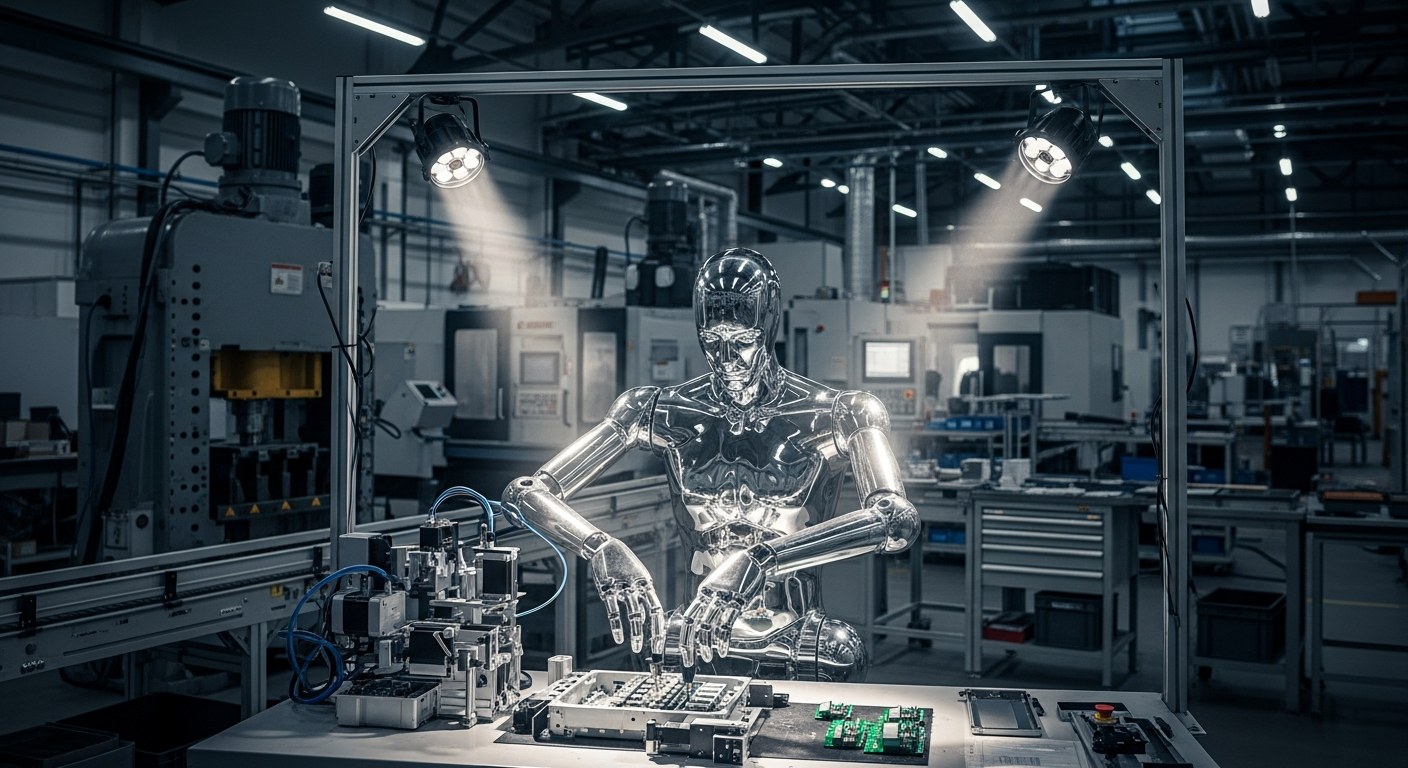
China's Humanoid Big 5 Are Winning Contracts. Europe Isn't Ready.
China's dominant humanoid robot makers just confirmed a major international trade show push, arriving with live demos, commercial contracts, and 90% of the global market already in hand. European plant operators will be pitched Chinese humanoids long before European alternatives exist at comparable scale. The solar and EV playbook is running again — this time on factory floors.
Read story →
EU's 'Made in Europe' Rules Won't Break China Dependency
Brussels proposed its most assertive industrial sovereignty push yet on 4 March 2026, combining local content mandates with a legal move to eject Huawei and ZTE from EU telecom networks. But analysts warn the Industrial Accelerator Act cannot close the competitiveness gap while European energy costs run 2.4 times higher than China's. For founders and investors, the real risk is regulatory arbitrage — not strategic autonomy.
Read story →

China's Digital Yuan Retreat Should Alarm Europe's CBDC Architects
Beijing just fundamentally redesigned its state digital currency — bolting on interest-bearing features and full bank integration after years of struggling to drive mass adoption. The Peterson Institute called it giving up on state-backed digital cash. The ECB should be paying close attention.
Read story →

China's Open-Source AI Is Everywhere. Europe Hasn't Decided What to Do About It.
Alibaba's Qwen has crossed one billion downloads. Kimi K2.5 leads global open-source rankings. Meanwhile the EU has quietly excluded Chinese entities from its most sensitive research programmes. European founders are already building on Chinese AI foundations — and regulators are only beginning to catch up.
Read story →

DeepSeek Is Cheap, Powerful — and Increasingly Hard for Europe to Touch
European companies want DeepSeek’s economics, but privacy and sovereignty concerns are pushing them away from the consumer app and toward controlled enterprise deployments.
Read story →
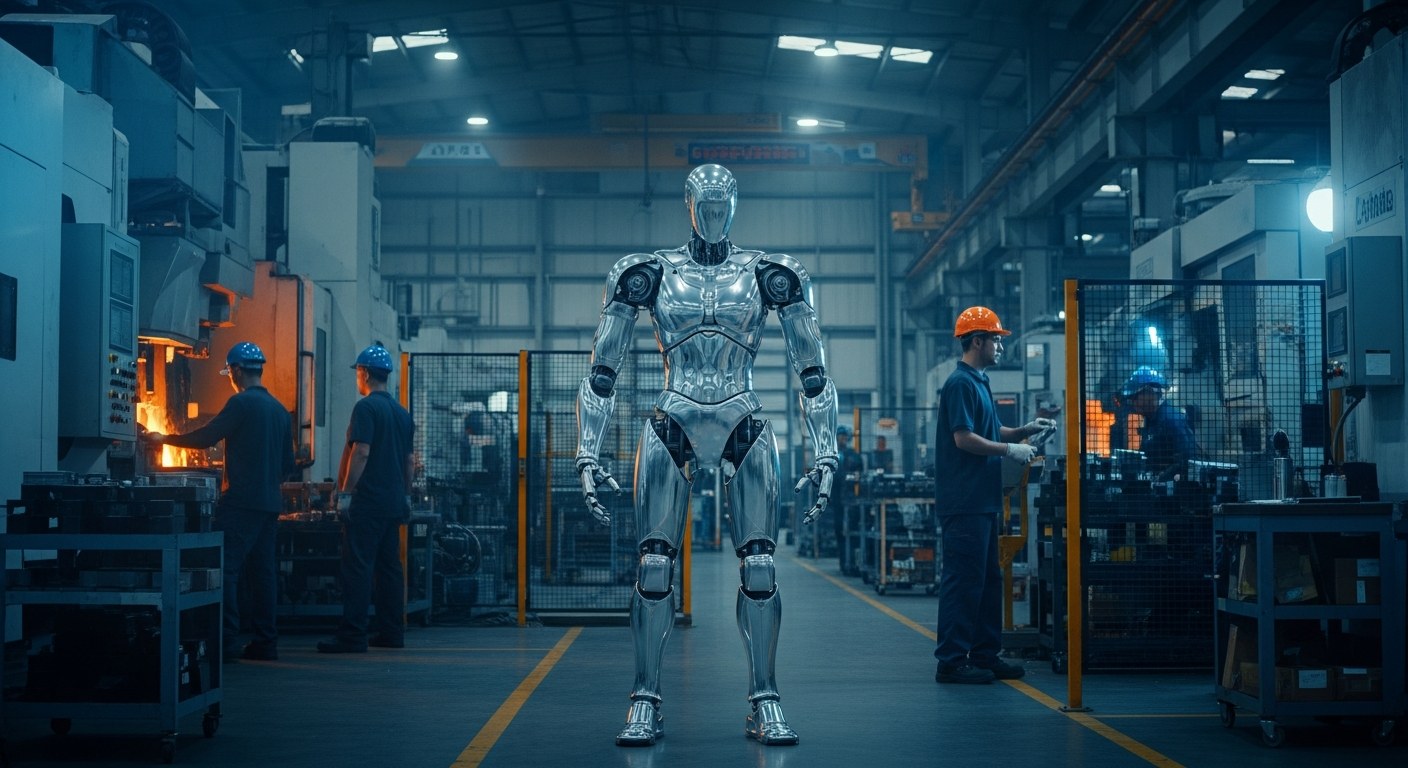
Chinese Humanoids Are Touring Global Expos. The Real Story Is What Comes After the Demo.
The spectacle around Chinese humanoid robots is masking a more important shift: vendors like AgiBot are building European deployment channels, local partners, and industrial use cases.
Read story →
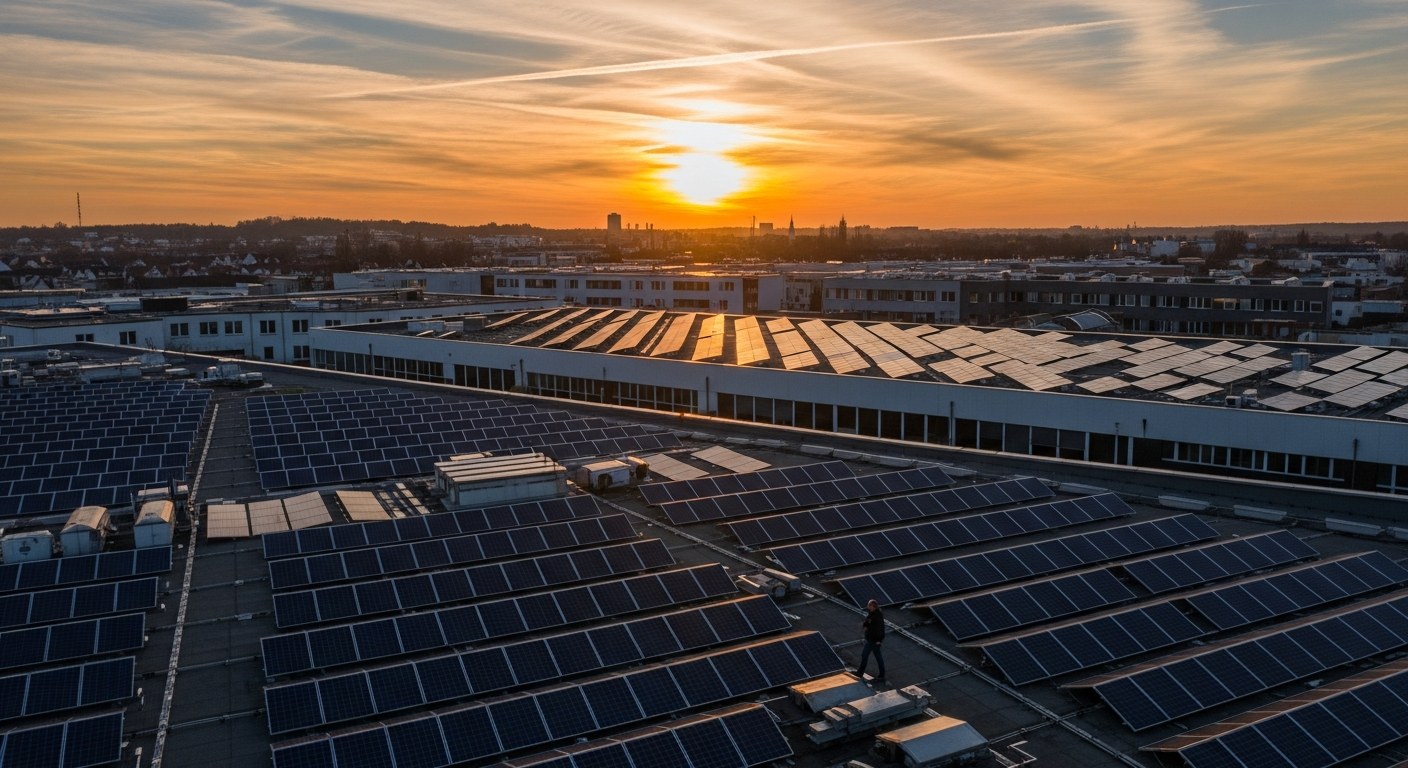
Europe’s Solar Build-Out Still Runs on Chinese Panels
Europe’s solar market is still growing, but new trade data underlines an uncomfortable fact: the continent’s energy transition remains overwhelmingly dependent on Chinese panel manufacturing.
Read story →

China's Vertical AI Push Is Coming for European B2B SaaS
China's Vertical AI Push Is Coming for European B2B SaaS Chinese giants are skipping the LLM arms race and going straight for your workflows. What happened in China China's tech giants are n
Read story →

Chinese AI Now Leads Global API Calls. Europe Must Choose.
Chinese AI Now Leads Global API Calls. Europe Must Choose. Chinese AI models now account for 61% of token consumption on OpenRouter, with MiniMax's M2 alone processing 1.7 trillion weekly tokens. F
Read story →
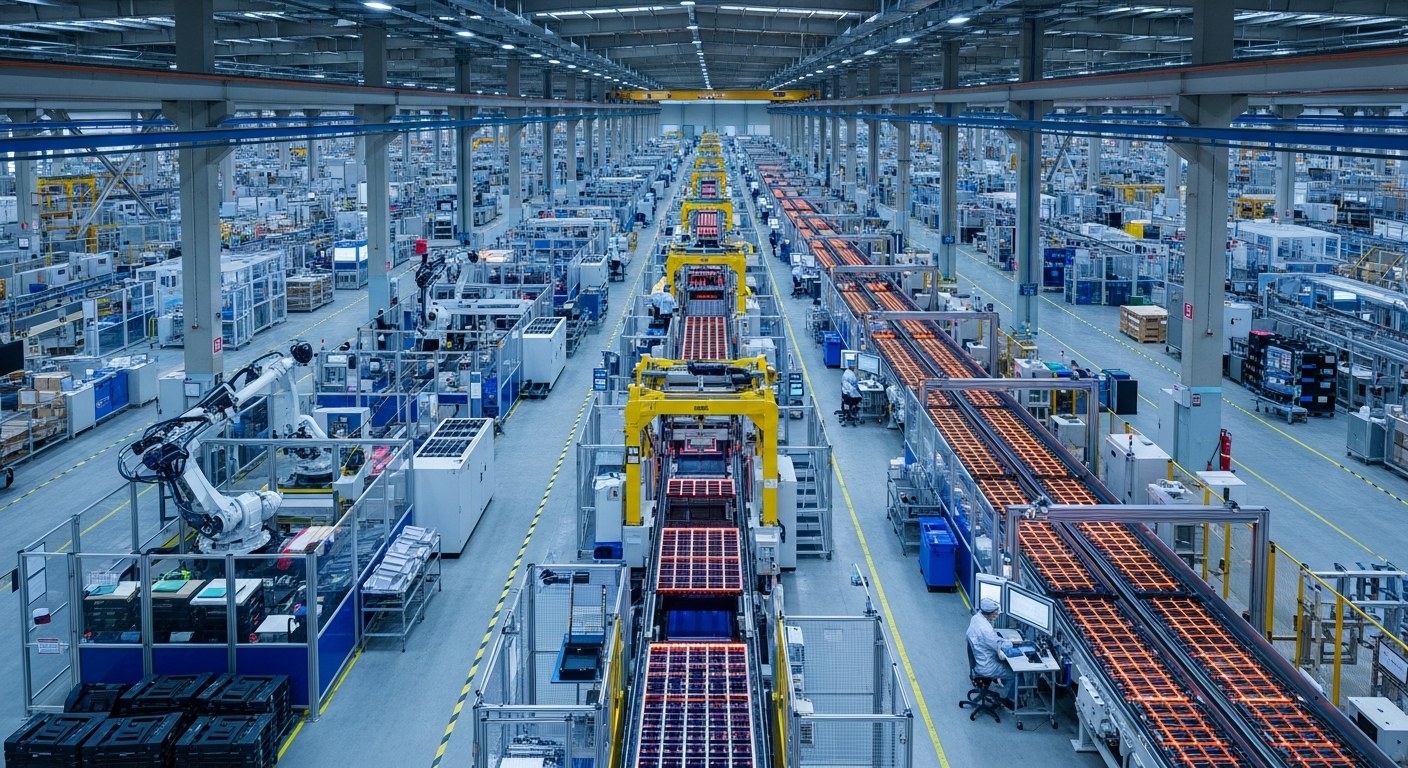
CATL's $10B Profit Surge Arrives Just as Europe's Battery Champions Collapse
Chinese battery maker CATL surges to $10B profit while European competitors struggle to survive.
Read story →
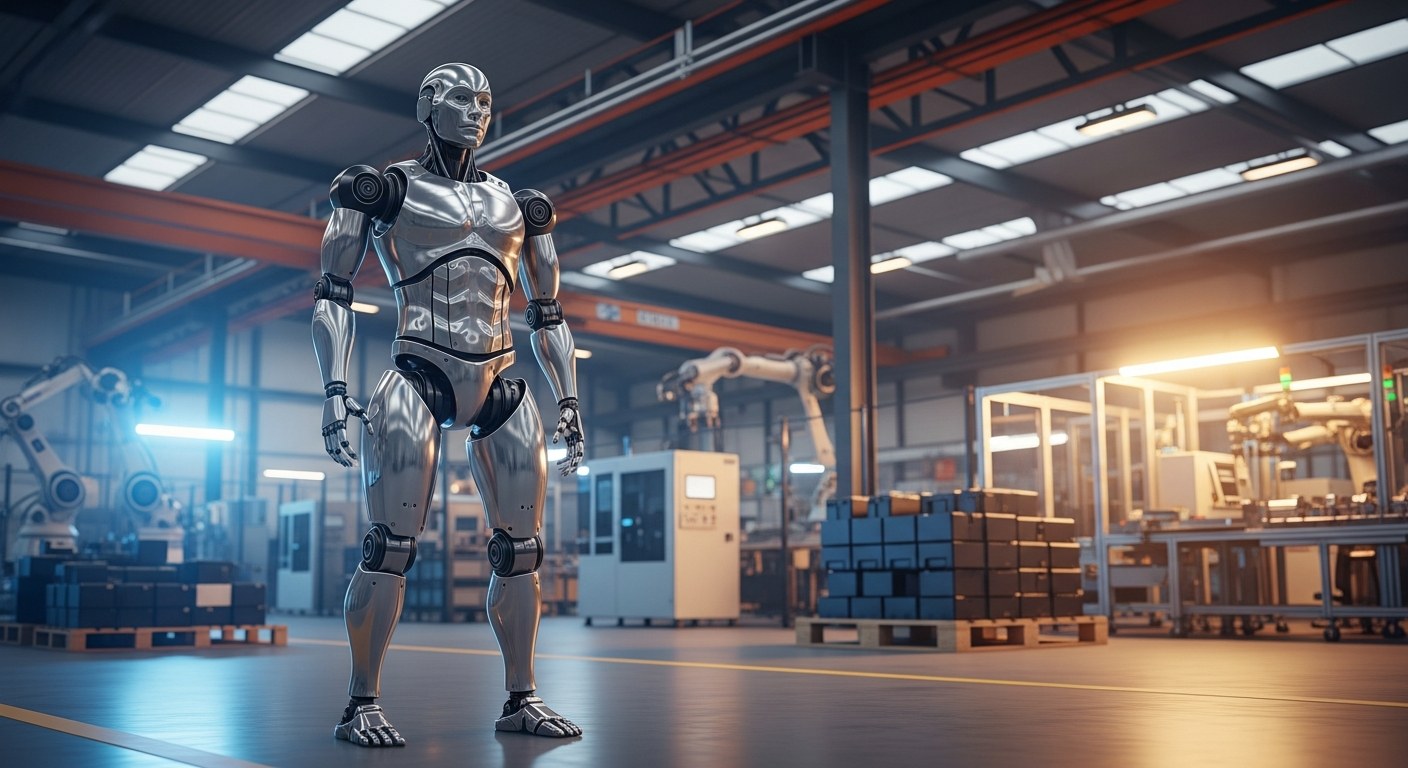
China's Robot Factory Is Now Targeting Europe's Industrial Core
China has turned a decade of factory-floor dominance into a commanding position in humanoid robotics — and is now exporting that lead. With 54% of global robot deployments and a humanoid cluster in Shenzhen producing models already appearing at CES 2026, Europe faces a narrowing window. The question for European operators and investors is no longer whether China leads. It is what to do before Chinese platforms lock in the data and distribution advantages that make catching up structurally harder.
Read story →

Chinese EVs Hit 100,000 Monthly European Sales as Gigafactories Die
Chinese brands crossed a symbolic threshold in Europe's car market just as the continent's own battery ambitions are quietly collapsing. ACC cancelled gigafactories in Italy and Germany. The EU's regulatory response arrives in March 2026 — and may already be too late.
Read story →

China's Payment Rails Just Opened — Europe Should Pay Attention
China's state-backed digital yuan has been quietly redesigned into irrelevance, while Alipay and WeChat Pay have done the opposite: opening their rails to international cardholders for the first time. For European payments players, both moves carry direct competitive consequences.
Read story →

Brussels' China Industrial Policy Is Ambitious, Implementation Is a Mess
The EU has launched its most aggressive China-decoupling industrial policy in a generation, targeting batteries, EVs, solar, and critical minerals. Beijing has already pushed back hard. But the real problem for European operators isn't Brussels — it's the seventeen member states that aren't ready to follow through.
Read story →

China built train food delivery in 2017. Europe still hasn't.
Scan a QR code on your armrest, order from restaurants at upcoming stations, get food delivered to your seat as the train pulls in. This is a standard feature of China's high-speed rail. No European rail operator has anything close to it — and the gap reveals something important about platform thinking.
Read story →