What they built
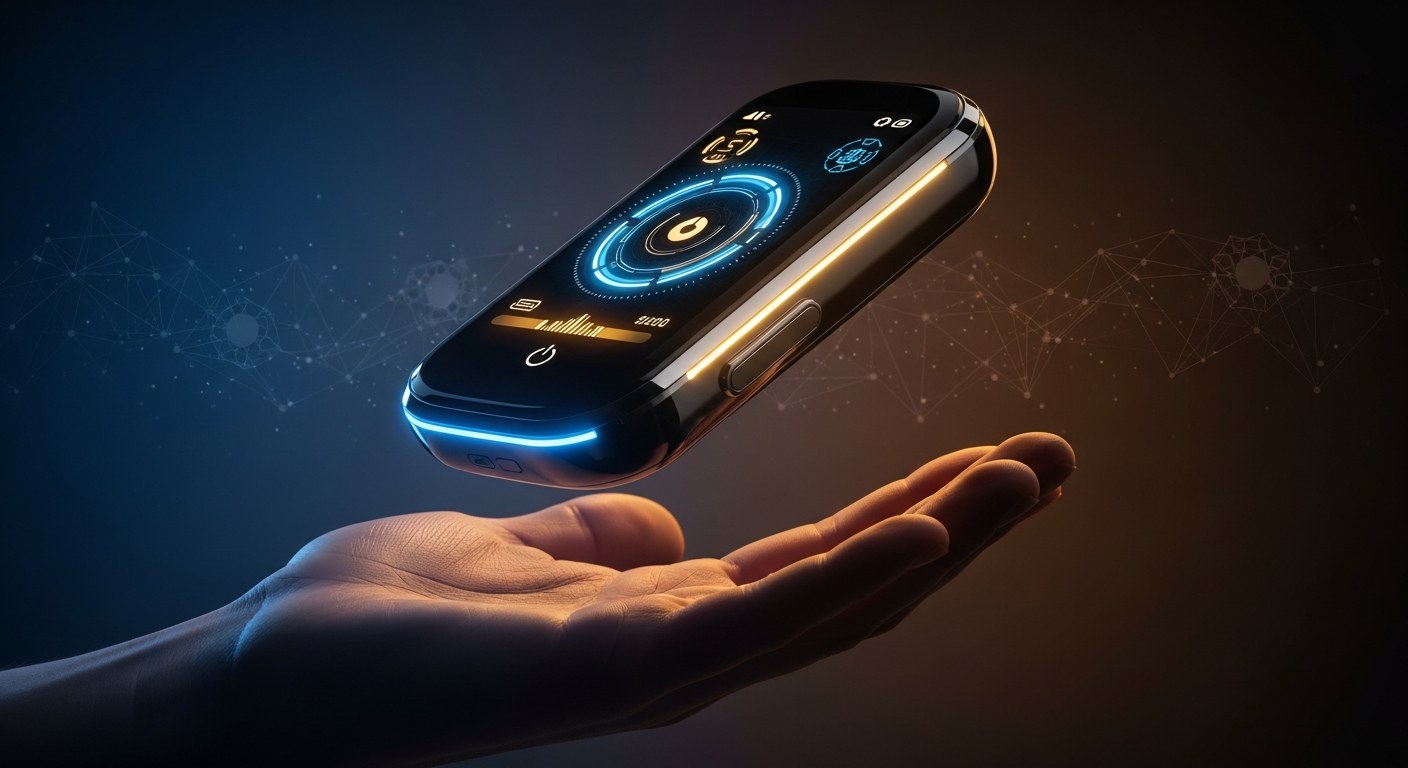
LightSail Tech (光帆科技) is building AI wearables powered by what founder Dong Hongguang calls an "Agent OS"—an operating system layer designed to orchestrate AI agents running on wearable devices. Still in stealth mode with no public website, the company's product-first approach signals serious engineering ambition over hype cycles.
The strategic bet is architectural: as foundation models commoditize, the battleground shifts from raw AI capability to interface control. Agent OS aims to be the layer between users and their AI agents—deciding which agent activates when, how context flows between devices, and which hardware becomes the default input surface for ambient computing. Think of it as iOS for the agent era, but purpose-built for wearables rather than retrofitted from smartphone paradigms.
The founder and the money
Dong Hongguang was Xiaomi's 89th employee and led MIUI/OS development for 14 years—the software layer that differentiated Xiaomi in China's brutal smartphone wars. That pedigree unlocked RMB 300 million (~$41.2M) across four separate seed rounds within one year (2025-2026), backed by Lenovo and Xpeng-affiliated investors.
Four seed rounds in 12 months isn't typical—it signals either aggressive milestone-based financing or investors fighting to get allocation. Given Dong's track record delivering hardware-software integration at Xiaomi's signature low-cost, high-volume playbook, the latter seems more likely. Lenovo and Xpeng's involvement adds credibility: both understand manufacturing scale and have direct go-to-market channels for consumer hardware.
Why European founders should care
China's AI hardware ecosystem is moving fast—from DeepSeek's inference breakthroughs to now operating system plays for agent orchestration. LightSail's fundraising velocity shows how quickly capital flows to experienced operators tackling platform-layer opportunities.
For European founders, this surfaces two strategic angles:
First, the platform race is starting. If Agent OS-style layers succeed, they'll control app distribution, data access, and user defaults—the same choke points that made iOS and Android kingmakers. European founders building agent applications need to monitor whether they're coding for an open ecosystem or heading toward another duopoly.
Second, vertical opportunities remain wide open. While Chinese players optimize for consumer scale, European strengths in privacy-first design, regulated industries (healthcare, finance), and premium positioning create differentiation paths. An enterprise-focused "Agent OS" for regulated environments, for instance, plays to European regulatory clarity rather than competing on manufacturing cost.
What to watch
LightSail has raised serious capital but remains in stealth—the product reveal will show whether Dong can translate Xiaomi's smartphone-era integration playbook to AI wearables. Watch for:
- Hardware form factor: Will they challenge Meta's glasses, chase Humane's pin format, or introduce something new?
- Developer ecosystem strategy: Agent OS only matters if third-party agents can plug in—or if LightSail builds a walled garden
- Western market intent: Lenovo's global footprint could enable Europe/US distribution, making this more than a China-only play
